The Quiet Force: How Denise Holmes Built a Legal Legacy on Her Own Terms
For 26 years, the Atlanta attorney has moved through courtrooms, boardrooms, and community halls with the kind of steady, deliberate power that doesn't need an announcement.
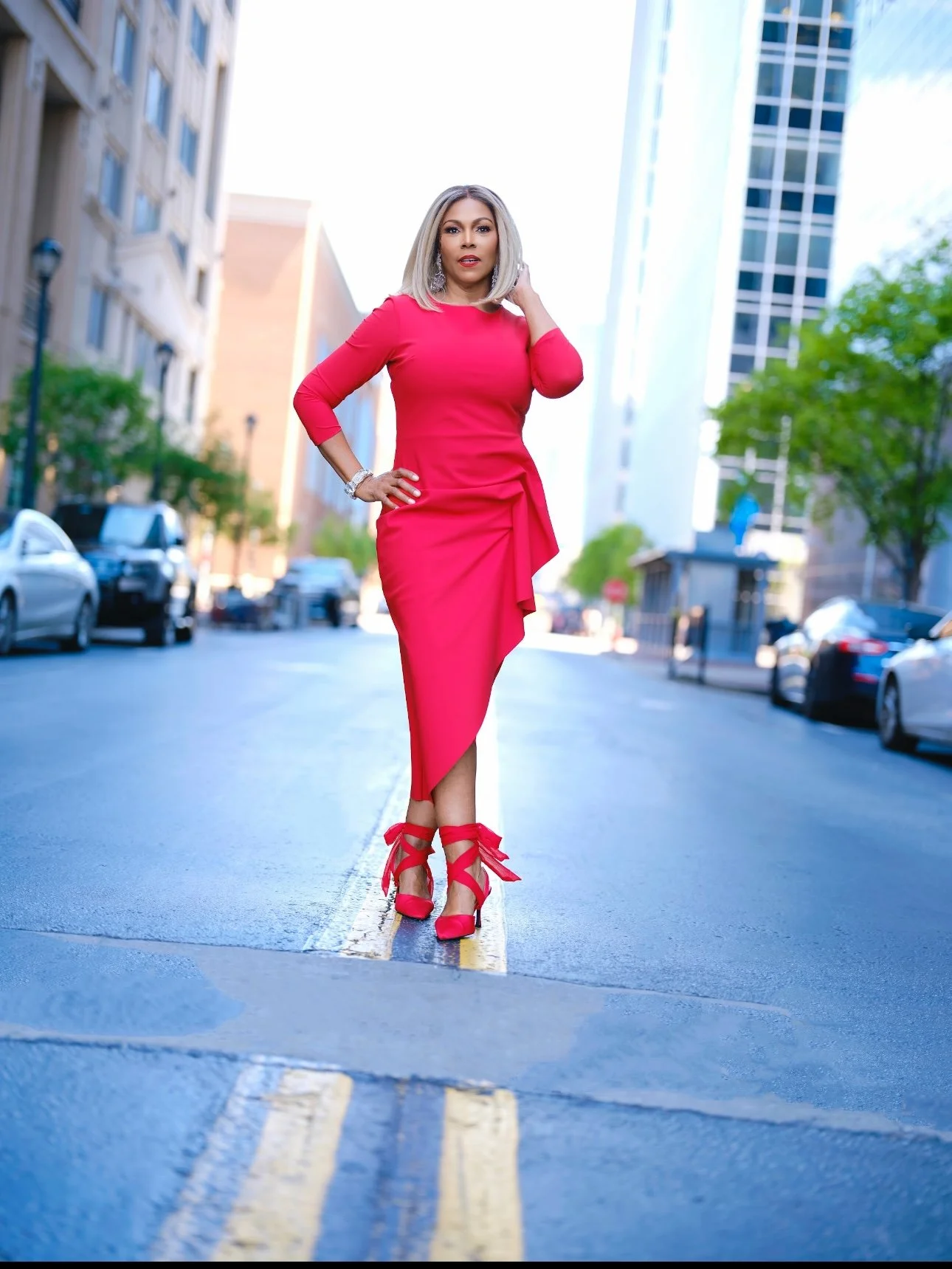
There is a particular kind of woman who does not wait to be given a seat at the table. She studies the room, she learns the rules, and then she rewrites them slowly, steadily, from the inside. Denise Holmes is that woman. And in Atlanta, Georgia, where she has spent the last 26 years building a solo law practice from the ground up, she is also something rarer: the real thing. We at RDC have covered a lot of powerful women. Holmes is the kind that makes you sit up a little straighter.
To understand Denise Holmes, you have to understand what it means to go it alone. Not as a romantic concept, but as a daily reality. Since 1999, she has walked into her practice every morning as the only person responsible for it. No partner to split the hard calls with. No firm name to hide behind when a case gets ugly. Just her, her training, and a commitment to the clients who come through her door carrying some of the most painful problems a person can have: broken families, workplace discrimination, bodies hurt through someone else's negligence. Family law, personal injury, employment discrimination. The cases where the stakes are personal and the margin for error is zero. That is not a career path for the faint of heart, and frankly, it is not a path most people would choose. Holmes chose it anyway.
She earned her BBA from Temple University and her Juris Doctorate from Atlanta Law School in 1993, and she has been building ever since. But what makes Holmes compelling, what makes her the kind of woman we want on our pages, is not the credentials. It is the staying power. Twenty-six years in solo practice is not an achievement you stumble into. It is a choice you make, over and over, every year, every case, every client who needed someone in their corner and found her there.
Atlanta has a way of either making you or eating you alive, and the legal world is no exception. Holmes did not just survive it. She became part of its fabric. Her affiliations read like a map of Black professional life in the city: the State Bar of Georgia, the Atlanta Bar Association, the Georgia Association of Black Women Attorneys, the Gate City Bar Association. But membership, for Holmes, has never been about the line on a resume. It is about the work inside the room. The relationships built. The causes pushed forward by people who showed up when it would have been easier not to. We respect that more than we can say.
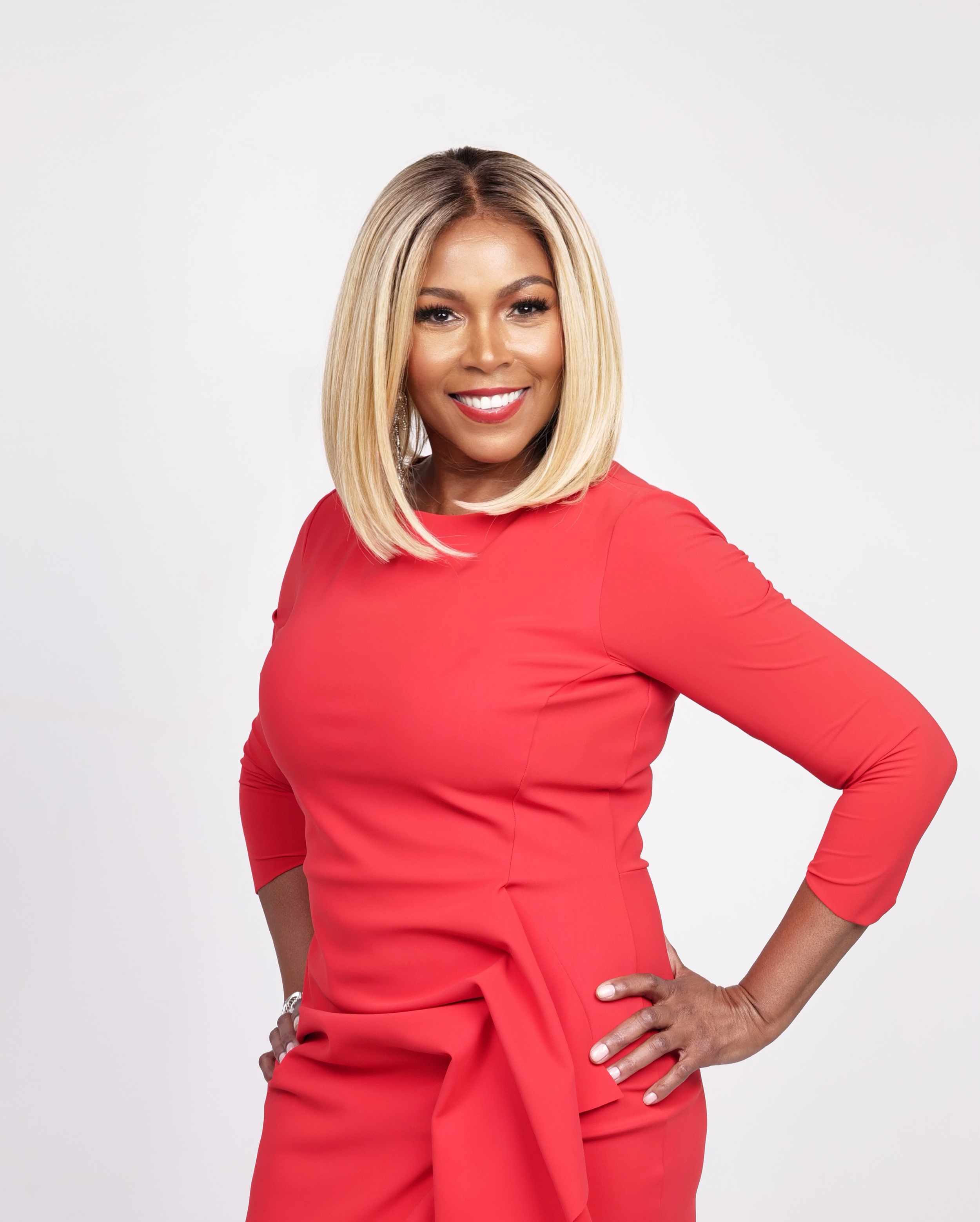
Nowhere is that clearer than in her decades of service with the National Bar Association's Women's Legal Division. She did not join and observe. She climbed every position available to her, from board member to Corresponding Secretary to 2nd Vice Chair to 1st Vice Chair, doing the kind of sustained organizational work that rarely gets celebrated but holds everything together. When the Gertrude Rush Conference was cancelled in 2020 because of COVID-19, Holmes had already spent months preparing for it. The WLD noticed the work that never got to happen. They gave her the Chair Award for Outstanding Service anyway. That is the kind of recognition that means something, because it came from people who understood exactly what it cost her. We noticed too.
She is still on the WLD nominating committee in 2025. That is not a footnote. That is a woman who has not stopped. And if we know anything about Denise Holmes at this point, stopping was never really on the table.
Off the clock, if there is such a thing for Holmes, she has poured herself into the community with the same methodical care she brings to a courtroom. For over a decade, she has been a consistent sponsor of the United Negro College Fund's Atlanta Mayor's Masked Ball. She supports the Nsoro Educational Foundation, which sends college scholarships to kids who aged out of foster care, young people for whom the system ran out of road and Holmes helped build a new one. She works with Big Brothers Big Sisters and is currently mentoring a teenager, which is perhaps the most human detail in a life full of impressive ones. Not a ceremony. Not a check written from a distance. A kid, and a woman who shows up for her every time. That one got us.
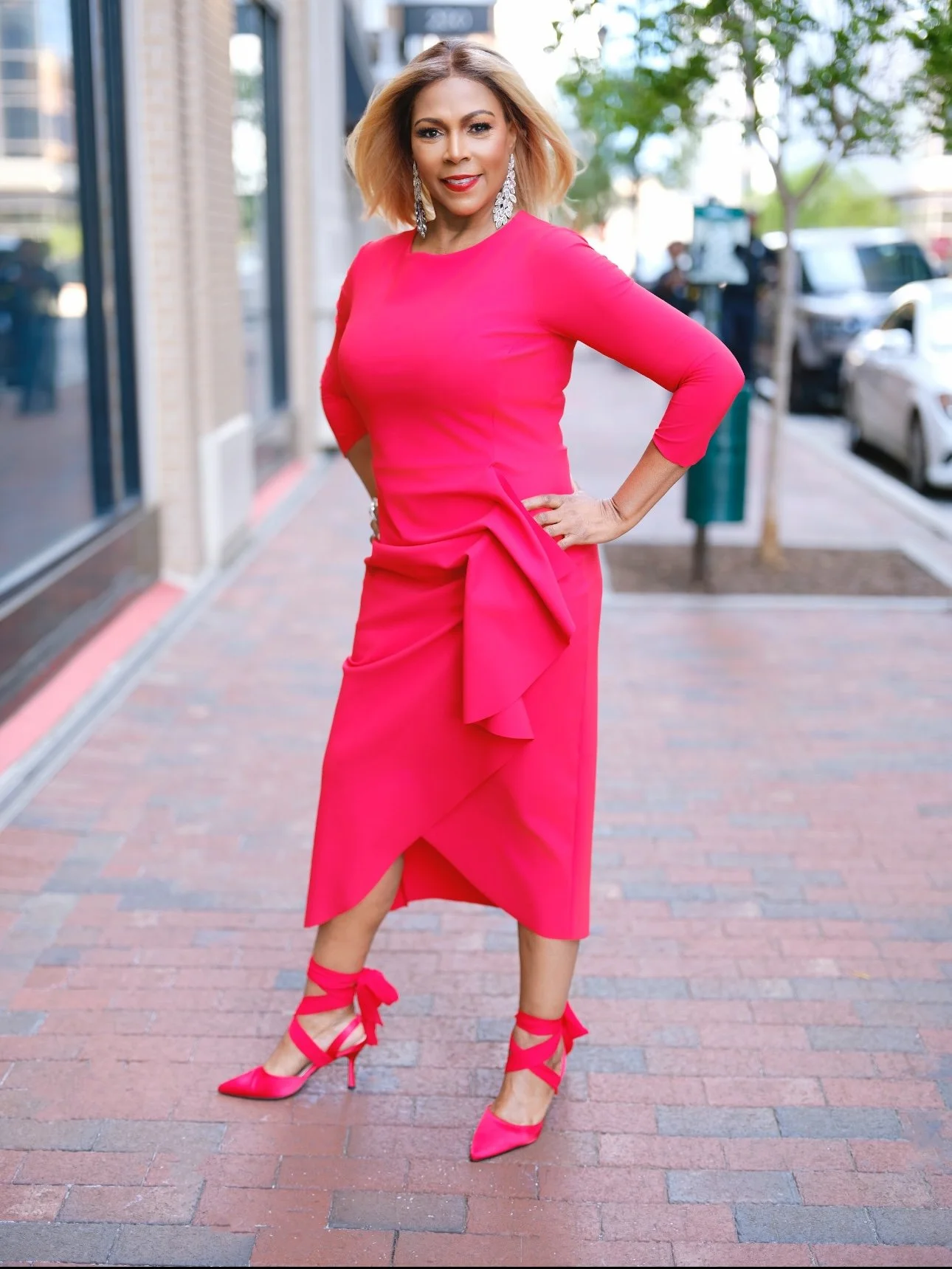
In 2016, she was named the National Bar Association's Outstanding Solo Practitioner. By 2025, ATL Plus Magazine had named her among their Power 50 Women of Influence, the NBA followed with its own Power 50 recognition, and Barack Obama's Presidential Lifetime Achievement Award had already been sitting in her collection for some time. The accolades have accumulated the way they do for people who were never chasing them, as a byproduct of just doing the work, decade after decade, without waiting for permission or applause. Honestly, that might be what we admire most.
There is a version of this story that gets told about women like Denise Holmes where the point is the list. The awards, the affiliations, the titles held and committees served. But the list is not the point. The point is what the list represents: a woman who decided, somewhere early on, that the law was a tool for people who needed it most, and that she was going to be the person who handed it to them. For 26 years, that is exactly what she has done.
At RDC, we cover power. We cover influence. We cover women who move the needle in ways that last beyond a news cycle. Denise Holmes does all three without breaking a sweat, or at least without letting you see it. Atlanta is better for her. So is everyone she has ever stood up for. And so, honestly, are we.