A 4.43-million-vote verdict on the Bolsonaro legacy and a test of whose rights, voices and futures shape Brazil.
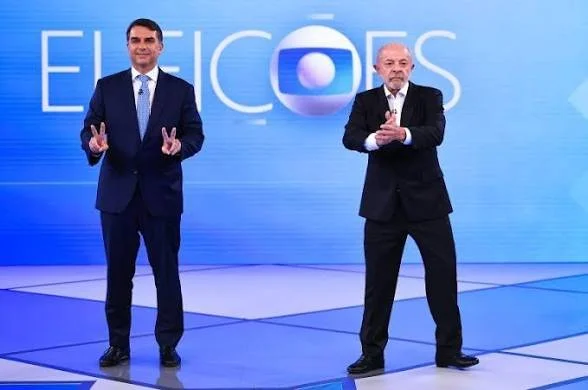
Lula and former president Jair Bolsonaro in an earlier election-era appearance. In 2026, Lula faced Jair’s son, Flávio Bolsonaro
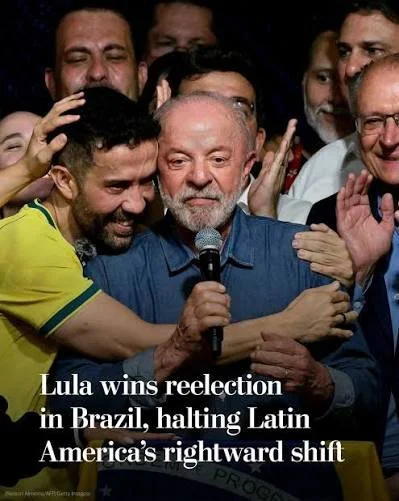
Brazil has voted, and its message reaches far beyond the presidential palace. On October 25, Luiz Inácio Lula da Silva secured a fourth, nonconsecutive term with 51.79% of valid votes 64.26 million ballots to Flávio Bolsonaro’s 59.83 million. A margin of more than 4.4 million votes decided the election, but the closeness of the contest revealed a country still sharply divided.
Flávio, a senator and the son of former president Jair Bolsonaro, was the candidate on the ballot. Yet the political inheritance was unmistakable. Four years after Lula defeated Jair himself, Brazilians were again choosing between different visions of the state, citizenship and the country’s place in the world.
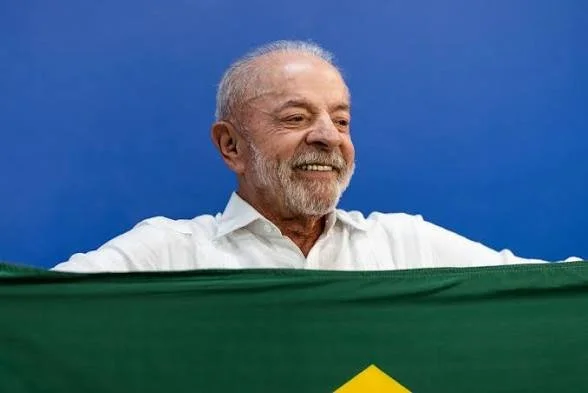
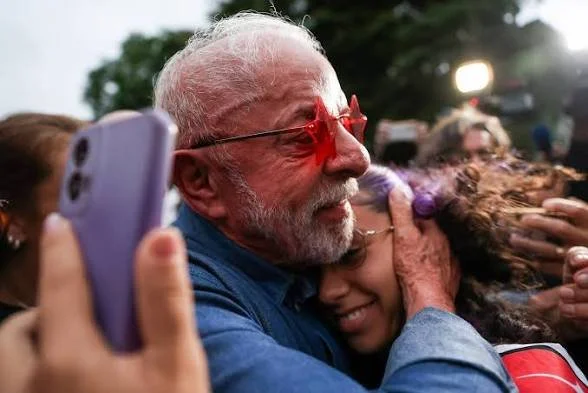
Lula’s victory drew on a broad coalition of voters and supporters, with social protections and representation at the centre of the debate.
THE RIGHTS BEHIND THE RESULT
For Lula, the argument extended beyond wages and the cost of living. His agenda places racial inequality, Indigenous territorial rights and recognition of quilombola communities descendants of historic settlements formed by escaped enslaved Africans inside the national conversation. In 2025, he signed a law reserving 30% of federal public-service vacancies for Black, Indigenous and quilombola applicants. His 2026 platform also called for stronger affirmative action and protection of Black youth from violence.
Flávio Bolsonaro offered a different emphasis: conservative social values, tougher policing, a smaller federal administration and a market-oriented economy. His programme promised to preserve social benefits and combat illegal deforestation. But it gave little explicit attention to racial discrimination or Afro-Brazilian religious communities, while proposed wider use of facial recognition raised questions about mistaken identification and unequal policing of Black Brazilians.
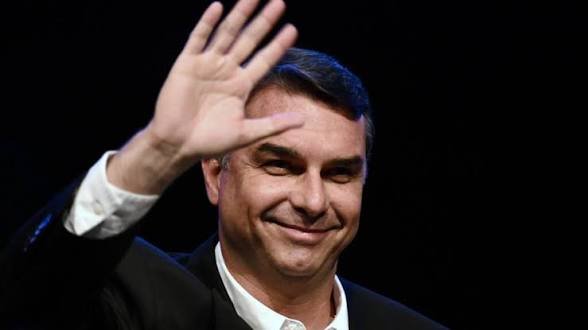
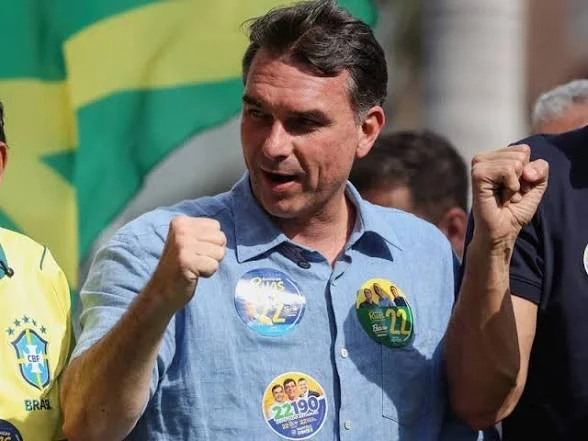
Flávio Bolsonaro, who carried the family’s conservative political legacy into the 2026 presidential contest.
Those concerns had a history. Under Jair Bolsonaro’s presidency, recognition of new Indigenous territories stalled and environmental safeguards were weakened, exposing communities to greater pressure from illegal mining, land grabbing and deforestation. Lula’s victory does not erase those harms or guarantee an end to racism. It does, however, keep a government in office that identifies these protections as public responsibilities rather than peripheral debates.
THE DIVIDE BETWEEN BAHIA AND THE SOUTH
The electoral map told a powerful regional story. Bahia, in Brazil’s Northeast, handed Lula 71.31% of the vote. It is also a centre of Afro-Brazilian history and culture, with around four in five residents identifying as Black or mixed-race. In the more prosperous South, Flávio won 69.42% in Santa Catarina, 62.58% in Paraná and 57.84% in Rio Grande do Sul. The distance between these results reflects deep differences in regional experience, party loyalties and political priorities.
It would be wrong to label every southern Bolsonaro voter racist, just as it would be wrong to imagine Bahia is free of discrimination. Racial inequality crosses Brazil’s regional borders. Yet the contrast matters: communities whose histories are shaped by slavery, exclusion and struggles for land and representation often hear national promises of equality differently from regions where conservative politics has found a stronger electoral base.
TRUMP’S SHADOW OVER BRAZIL
The Bolsonaro movement has long had an American counterpart. Jair Bolsonaro and Donald Trump built a political friendship around nationalist language, conservative social politics and open confrontation with institutional critics. Those ties endured after Jair left office. Flávio Bolsonaro even met Trump at the White House in 2026, giving the Brazilian campaign an unmistakable transnational dimension. Yet Trump stopped short of publicly endorsing Flávio in the presidential race.
The connection was not merely symbolic. In 2025, Washington linked sweeping tariff threats against Brazilian goods to its objections over Jair Bolsonaro’s prosecution. The United States also sanctioned Supreme Court justice Alexandre de Moraes, who was overseeing proceedings involving the former president, before withdrawing those sanctions later that year. Within the U.S. administration, senior officials pushed measures intended to strengthen the Bolsonaro family’s political prospects, including pressure directed at Brazil’s institutions. How much of that effort Trump personally directed has not been established.
That history made the result in Brazil more than a domestic electoral contest. A Flávio victory could have brought Latin America’s largest democracy closer to Trump’s political and regional-security agenda, but no particular future U.S.–Brazil policy can be assumed. After Lula won, Trump called the election suspicious without offering evidence of fraud. Flávio initially challenged the result, even as his own Liberal Party acknowledged Lula’s victory. The central question now is whether a partnership between two countries can respect Brazil’s electoral sovereignty despite sharply different political visions.
THE VICTORY AND THE WORK AHEAD
Lula has won the presidency, not the argument about what Brazil should become. The next test is more demanding: converting the promises of equality, safety and opportunity into daily realities from Salvador’s neighbourhoods to Indigenous territories and the cities of the South. The ballots have drawn a line. Governing will determine what that line protects.
Beyond the political contest, the election speaks to Brazilians seeking security, dignity and a place in the country’s future.