RAYMOND HOUNON: CODE, CULTURE & PURPOSE
From Zinder to the global technology stage, Alomai Raymond Hounon’s story brings together artificial intelligence, African heritage, spiritual grounding, entrepreneurship and a conviction that expertise matters most when it creates opportunity for others.
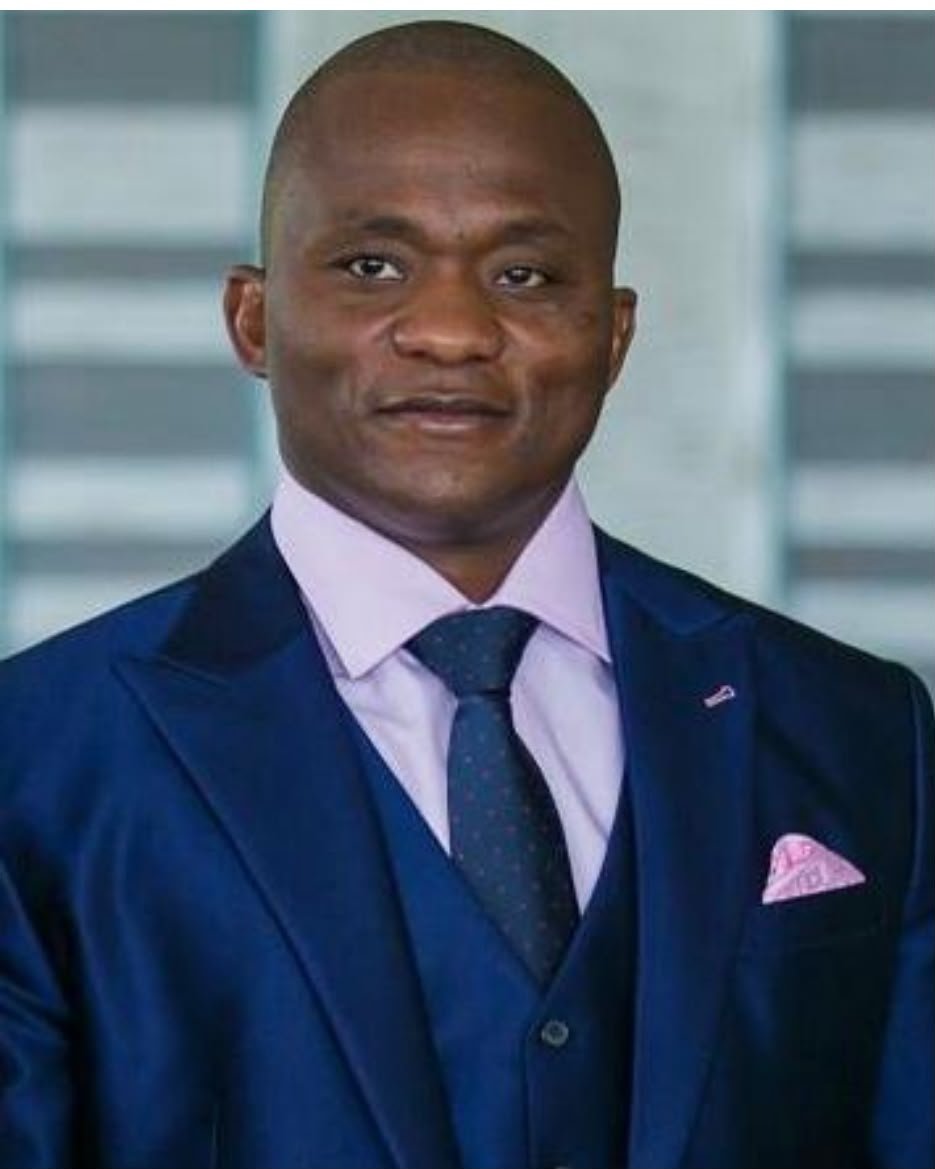
There are careers that can be read as a succession of titles, companies and achievements. Raymond Hounon’s is better understood as a series of bridges: between Africa and Europe, technology and public purpose, innovation and responsibility, ancestry and the future. His professional journey has taken him through major global technology and business environments including General Electric, Oracle, Microsoft and Google, but the deeper thread running through his story is less about the prestige of those names than about what can be done with the knowledge, access and perspective gained along the way.
Born in Zinder, Niger Republic, and connected by heritage to the historic Dahomey Kingdom, Hounon carries an African identity that remains central even as his career has unfolded internationally. At 24, he made a decisive leap: leaving Niger Republic for Europe with roughly €100 in his pocket. It was a move defined less by certainty than by possibility. What followed required adaptation, persistence and continuous learning, eventually carrying him into the highest levels of global technology leadership and into work spanning artificial intelligence, research, cloud technologies, healthcare, public-sector transformation and entrepreneurship.
A Career Built at the Edge of Change
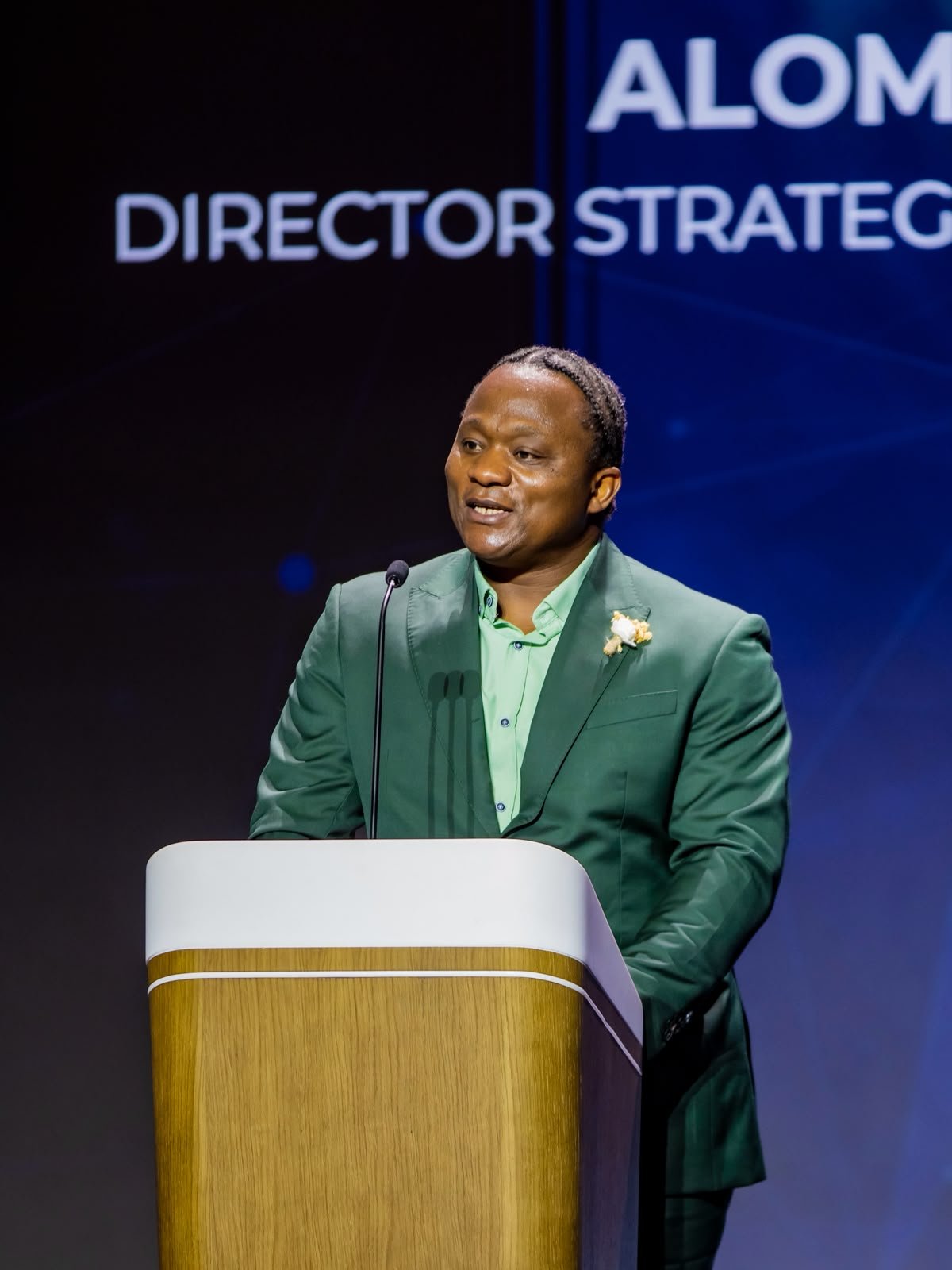
Hounon’s professional life has unfolded during one of the most consequential periods in modern technology: the transition from enterprise computing and large-scale data systems into cloud infrastructure, machine learning, generative AI and increasingly intelligent digital platforms. His experience across General Electric, Oracle, Microsoft and Google placed him inside institutions that helped shape that transition. Public records and industry programs have identified him in senior Data and Artificial Intelligence roles at Microsoft, including work connecting data and AI with public-sector and healthcare challenges. He has also been identified as a Google Cloud leader in healthcare and life sciences and, in Nigerien technology media, as a leader responsible for scientific research work at Google.
That trajectory matters because it places Hounon’s thinking about AI in a practical rather than purely speculative context. For him, artificial intelligence is not simply a headline technology or an abstract promise. It is part of a wider transformation in how institutions make decisions, how scientific research is accelerated, how health systems use information, and how countries and communities can participate in the next generation of economic and technological development.
“The next era of technology will not be built by spectators. It will be built by people willing to participate.”
That idea, participation rather than passive consumption —is central to the way Hounon’s career can be read. It speaks to the need for African institutions, young innovators, researchers and entrepreneurs not simply to receive technologies developed elsewhere, but to understand them, shape them and build with them. It also connects naturally to his public-sector and community work, where technology becomes a means of widening access rather than an end in itself.
Technology, Identity and Spiritual Grounding

That philosophy becomes especially tangible in Hounon’s work with the GMLB Foundation. The foundation’s own materials identify Raymond Hounon as Chairman of the Board of Trustees, while the UK Charity Commission lists him as a trustee. Its formal charitable purpose is the prevention or relief of poverty and financial hardship in West Africa through education, training, healthcare, water and sanitation projects, and support that can help individuals develop sustainable incomes and greater self-sufficiency.
The foundation has roots in Niger as the Marie-Louise Germain-Béatrice Foundation, an apolitical, secular, non-profit organization whose constituent general assembly was held in Niamey on 20 April 2020. It later became a UK-registered charitable incorporated organization, registered on 17 March 2023 under charity number 1202373. Its focus is deliberately human and specific: vulnerable women and children in Niger, including widows and orphans, as well as families and elderly people facing poverty and precarious living conditions.
The work is broader than emergency assistance. The foundation describes a model built around expanding maternal and paediatric health services; improving access to safe drinking water, hygiene and sanitation; strengthening women and girls facing illiteracy and poverty; improving the quality of education; and supporting families in vulnerable circumstances. Education initiatives include helping poor families and children of widows with school fees, promoting digital education for girls and boys in care, and supporting citizen education.
Perhaps most closely aligned with Hounon’s technology background is the foundation’s stated ambition to provide technical and financial assistance for the creation of “intelligent villages” that can help rural populations. The idea links community development with capability-building: using knowledge, infrastructure and practical support to make communities more resilient rather than permanently dependent. The foundation also undertakes advocacy, fundraising and awareness campaigns alongside direct project support, and lists Xceda-AI among its partners — another point of connection between Hounon’s technology ecosystem and his philanthropic work.
This makes the foundation more than an extracurricular footnote to a technology career. It is one of the clearest expressions of the principle that runs through Hounon’s story: success acquires a different weight when it is converted into access for someone else. In that sense, the same instincts visible in his professional work — systems thinking, scale, data, infrastructure, participation — reappear in a social context, directed toward maternal health, education, water, livelihoods and rural opportunity.
From Success to Service: The GMLB Foundation
That philosophy becomes especially tangible in Hounon’s work with the GMLB Foundation. The foundation’s own materials identify Raymond Hounon as Chairman of the Board of Trustees, while the UK Charity Commission lists him as a trustee. Its formal charitable purpose is the prevention or relief of poverty and financial hardship in West Africa through education, training, healthcare, water and sanitation projects, and support that can help individuals develop sustainable incomes and greater self-sufficiency.
The foundation has roots in Niger as the Marie-Louise Germain-Béatrice Foundation, an apolitical, secular, non-profit organization whose constituent general assembly was held in Niamey on 20 April 2020. It later became a UK-registered charitable incorporated organization, registered on 17 March 2023 under charity number 1202373. Its focus is deliberately human and specific: vulnerable women and children in Niger, including widows and orphans, as well as families and elderly people facing poverty and precarious living conditions.
The work is broader than emergency assistance. The foundation describes a model built around expanding maternal and paediatric health services; improving access to safe drinking water, hygiene and sanitation; strengthening women and girls facing illiteracy and poverty; improving the quality of education; and supporting families in vulnerable circumstances. Education initiatives include helping poor families and children of widows with school fees, promoting digital education for girls and boys in care, and supporting citizen education.
Perhaps most closely aligned with Hounon’s technology background is the foundation’s stated ambition to provide technical and financial assistance for the creation of “intelligent villages” that can help rural populations. The idea links community development with capability-building: using knowledge, infrastructure and practical support to make communities more resilient rather than permanently dependent. The foundation also undertakes advocacy, fundraising and awareness campaigns alongside direct project support, and lists Xceda-AI among its partners , another point of connection between Hounon’s technology ecosystem and his philanthropic work.
This makes the foundation more than an extracurricular footnote to a technology career. It is one of the clearest expressions of the principle that runs through Hounon’s story: success acquires a different weight when it is converted into access for someone else. In that sense, the same instincts visible in his professional work — systems thinking, scale, data, infrastructure, participation — reappear in a social context, directed toward maternal health, education, water, livelihoods and rural opportunity.
Africa as Participant, Not Audience
Hounon’s work also sits within a larger question facing the continent: what role will Africa play in the technologies now reshaping the global economy? The answer cannot be reduced to access to software or the adoption of foreign platforms. Participation requires skills, research capacity, infrastructure, entrepreneurial confidence, investment and the ability to define problems locally. It also requires people who can translate between global technology systems and African realities.
Hounon’s own route, from Zinder to Europe and into multinational technology companies, gives him a vantage point across both worlds. His experience in data, AI, healthcare and scientific research has placed him in rooms where the future is being designed, while his heritage and foundation work keep his attention connected to communities that are too often discussed only as beneficiaries rather than as future builders.
That distinction matters. When he argues that the next technological era will be built by those willing to participate, the statement can be read as both professional advice and a broader challenge. Young innovators cannot wait for perfect conditions. Institutions cannot outsource every layer of technical understanding. Governments cannot treat data and AI as distant specialist concerns. And African communities should not accept a future in which the continent is merely a market for technologies created elsewhere.
The Measure of Impact
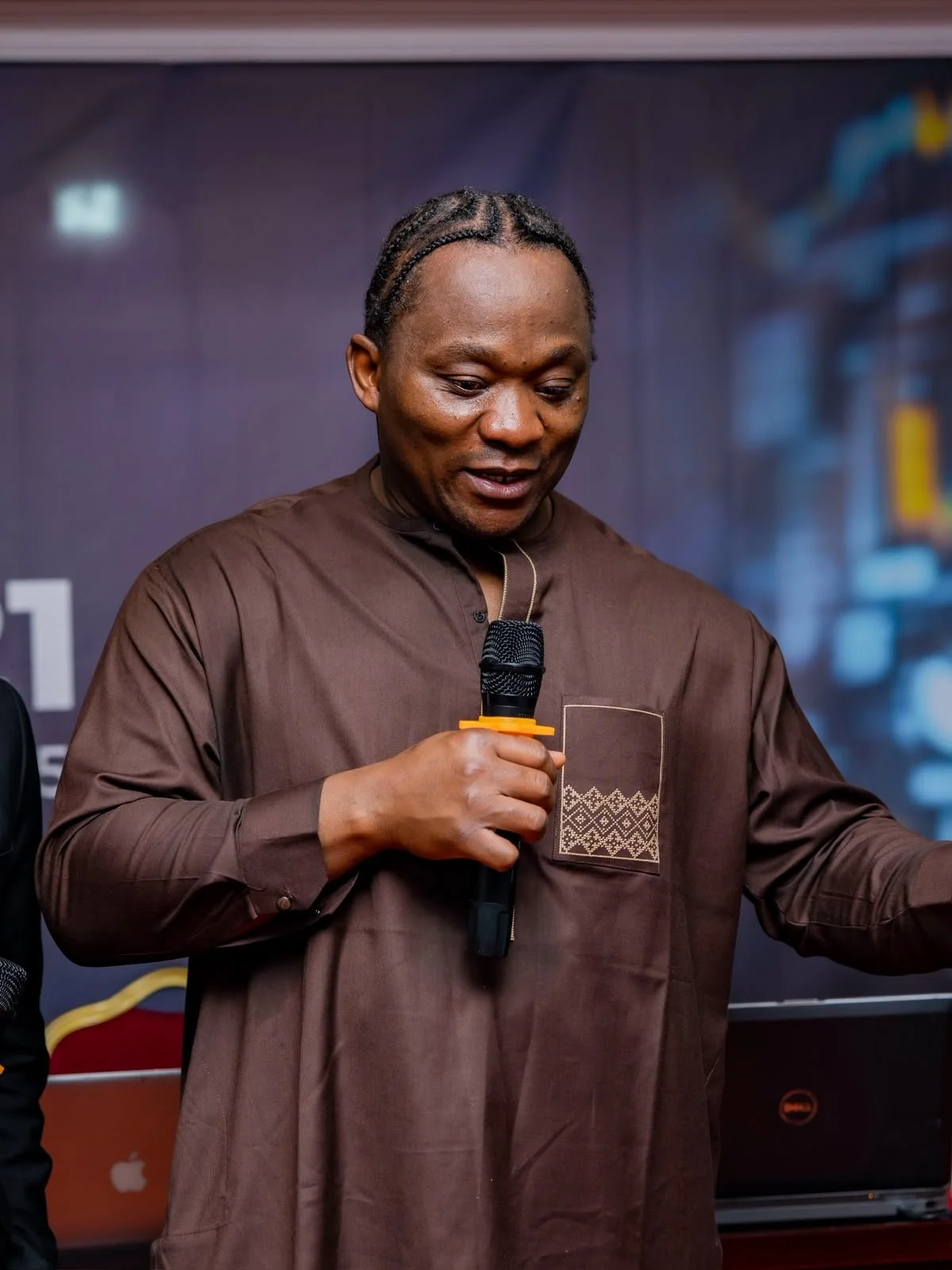
The most compelling way to understand Raymond Hounon’s journey is therefore not as a conventional ascent from modest beginnings to international corporate success, though that story is present. It is as an evolving relationship between knowledge and responsibility. Leaving Niger at 24 with little money required personal risk. Building a career across global technology environments required discipline and reinvention. Working in artificial intelligence and scientific research placed him close to some of the most powerful tools of the current era. But the question that increasingly defines the arc is what those advantages can be used to change beyond the individual.
The GMLB Foundation provides one answer: support a child’s education, strengthen maternal and paediatric care, improve drinking water and sanitation, help a woman move beyond illiteracy or poverty, give a rural community the tools to become more self-sufficient. His technology work provides another: help institutions understand and use data and AI, contribute to scientific and healthcare transformation, and push more people from the position of spectator into that of participant.
The bridge between those worlds global expertise and measurable human impact, is where Hounon’s profile becomes most interesting. It is also where the story reaches beyond him. For technology leaders, entrepreneurs, investors, policymakers, educators and young innovators, the challenge is not simply to accumulate knowledge or proximity to innovation. It is to decide what that proximity is for.
Raymond Hounon’s journey offers a clear proposition: the future is shaped by people who take part in building it, but participation carries responsibility. In an era increasingly defined by AI, scale and technological disruption, perhaps the most enduring measure of progress will not be how advanced our systems become, but how deliberately we use them and the opportunities they create in service of people, communities and the next generation.
THE NEXT CHAPTER
Raymond Hounon’s journey raises a larger question: What happens when global technology expertise is placed in service of communities, institutions and the next generation?
That question is bigger than one career. It is an invitation to engage.
For technology leaders, entrepreneurs, investors, policymakers, educators and young innovators, the opportunity is to build bridges between Africa and the world — turning knowledge into enterprise, innovation into opportunity, and technology into measurable human impact.
The next era of technology will not be built by spectators. It will be shaped by those willing to ask better questions, build meaningful solutions, and create opportunities for others.
The question now is not whether technology will shape the future, but who will help shape it — and who will ensure that its possibilities reach beyond themselves.
For a closer look at Raymond Hounon’s work and the ideas informing this next chapter, visit www.xceda-ai.comwww.xceda-ai.com and https://www.gmlb-fondation.com
The journey continues.