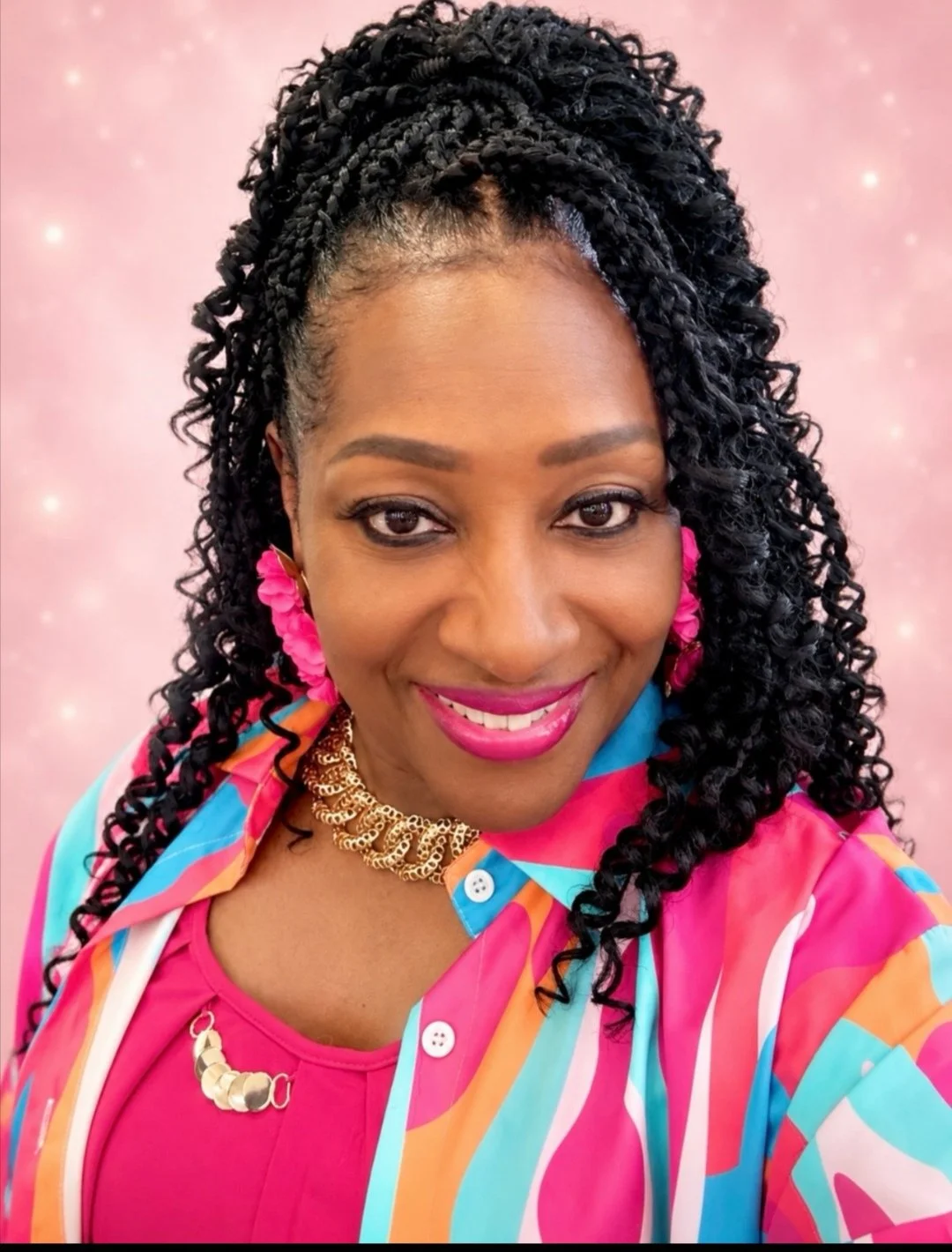
The Promise She Kept: Dr. Rhonda Williams and the Lives Beyond the Ribbon
A Stage III diagnosis threatened to overturn her life. Fifteen years after that first frightening discovery, the retired U.S. Air Force veteran has built a breast cancer support community where hope arrives as a ride to treatment, a paid bill, an open door and a promise to children who have already lost too much.
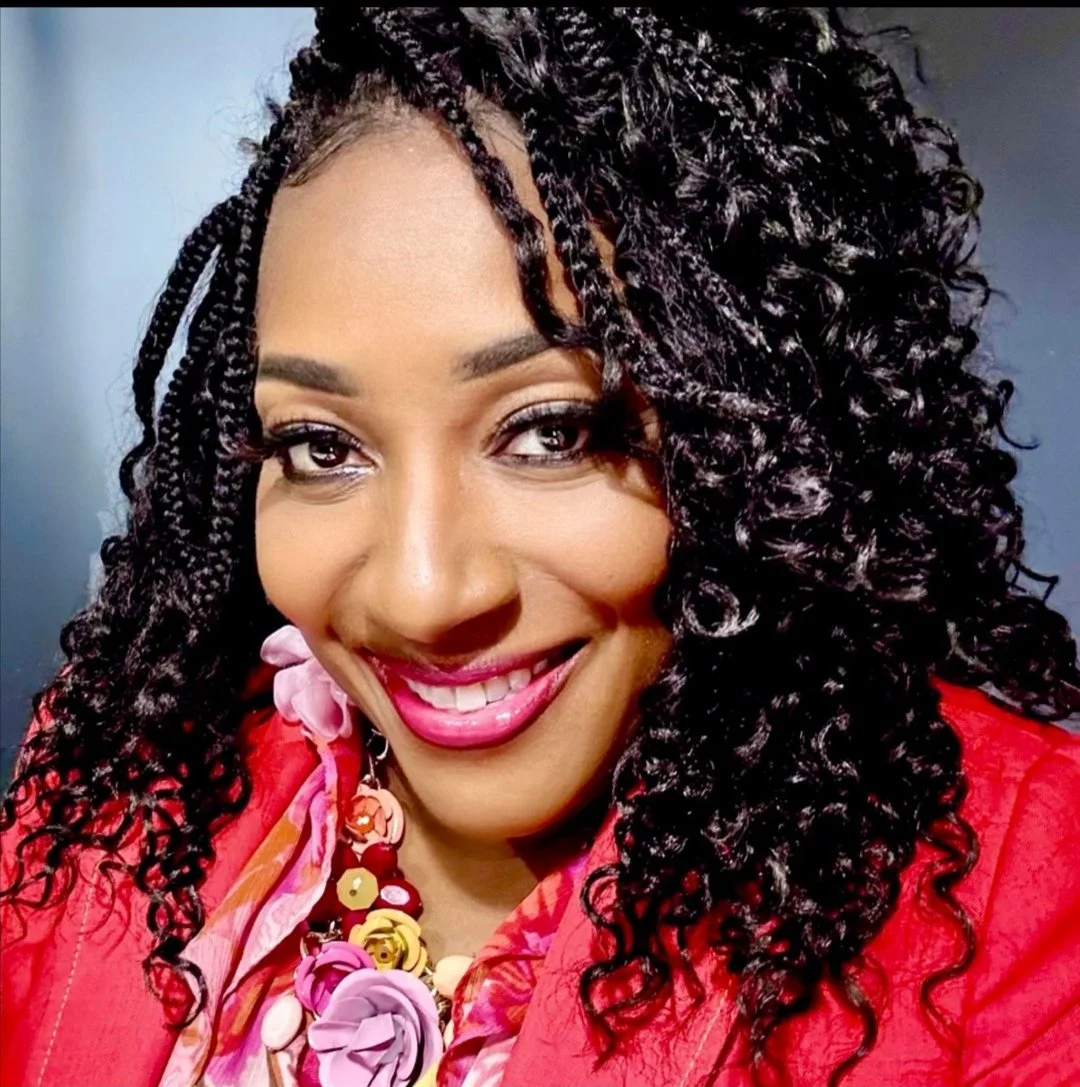
Rhonda Williams: veteran, mother, grandmother and founder of Thriving and Surviving Breast Cancer Support Group Inc.
A promise can begin in a hospital room and reach far beyond it. Rhonda Williams knows this in a way no award can adequately describe. Years after her own breast cancer diagnosis, she stood beside another woman nearing the end of her life a mother of five and made a commitment: her children would not be forgotten. The mother died. The commitment did not.
Williams has spent much of her life serving. She served 20 years in the United States Air Force. She raised children, built businesses and became a grandmother. But after breast cancer entered her story, service acquired a particular urgency. Someone needed a ride to chemotherapy. Someone else needed groceries, a comforting phone call, help with rent or a person willing to sit beside them and listen. There was no reason, she decided, that a diagnosis should also mean abandonment.
THE DAY EVERYTHING CHANGED
On August 16, 2011, Williams found a small lump beneath her arm. It seemed to come from nowhere. It turned out to be an enlarged lymph node, and further examination brought a diagnosis of Stage III, HER2-positive breast cancer. The news was not abstract: the cancer had reached nearby lymph nodes, and a demanding course of treatment lay ahead.
Her submitted account describes aggressive chemotherapy, a bilateral mastectomy and reconstructive surgery. On the support group’s website, she provides further detail about months of chemotherapy and years of follow-up drug treatment. At the beginning, she says, fear unsettled even the faith that had always sustained her. Her children helped her recover an inner point of reference. She returned to the words of Psalm 118:17: “I shall live and not die.”
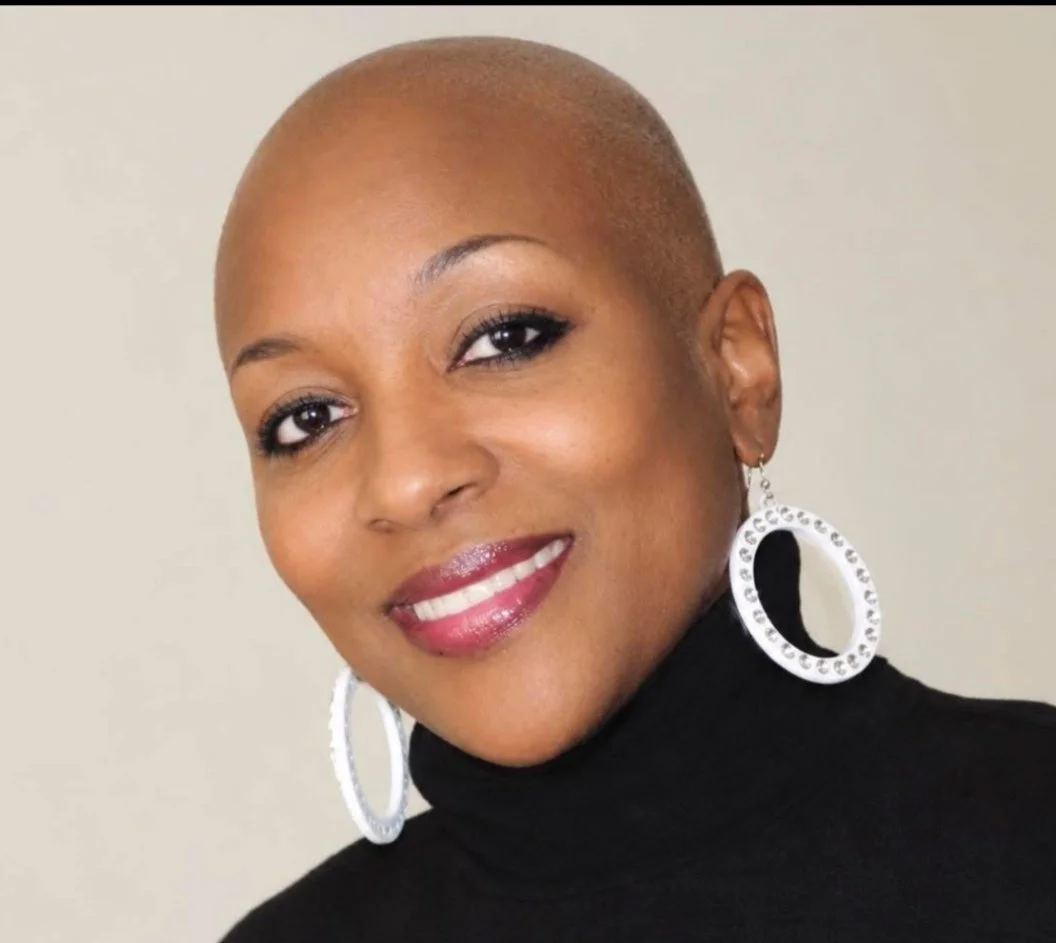
There is a temptation in stories like this to leap from fear to triumph, skipping the long, repetitive work in between. Williams did not skip it. She lived through treatment and its aftermath. She also learned how easily a patient can disappear into appointments, symptoms and expenses while everyone around them focuses on the medical chart. Survival was not going to be the only outcome she sought.
WHAT “WE ARE HERE FOR YOU” REALLY MEANS
Williams founded Thriving and Surviving Breast Cancer Support Group Inc. around a deceptively simple principle: no one should have to navigate a cancer journey alone. Her organization, based in the Atlanta area, describes support that is educational, emotional, spiritual and financial. The approach is strikingly practical: accompany a woman to an appointment; visit during treatment; bring flowers and a meal; cover transportation; help keep electricity on; help get a car repaired so someone can reach a hospital.
In her biography, Williams reports that the nonprofit has grown to more than 900 members worldwide. Its work includes care packages, gift cards, groceries and help with rent or utility bills. She says it has provided more than 50 care bags to patients and hundreds of gifts at fundraising brunches, in addition to assistance with treatment-related travel. The figures are organization-reported, but the purpose behind them is clear: cancer threatens daily life as much as it threatens health.
The group’s published program includes educational speakers from nutrition specialists and oncologists to counselors and hands-on therapeutic art, social gatherings and peer companionship. It has offered community outings and relaxing retreats. The work has a public history stretching back years: a 2017 Atlanta Journal-Constitution events listing identified a Breast Cancer Cruise fundraiser hosted with Thriving and Surviving, while Gertrude’s House publicly credited Williams and her group for showing up at cancer-awareness events in 2023 and 2025.
A HAIRCUT CAN BE AN ACT OF RESTORATION
Before the title “cancer advocate,” Williams was a master hairstylist. She owned three salons over the years and still holds a master cosmetology license. When she saw women facing hair loss during chemotherapy, she understood that the practical question what to do with your hair could hold a deeper one: how do you recognize yourself while your body is changing?
She began giving complimentary haircuts as women’s hair started to fall out and offering makeovers when they wanted them. The gesture did not pretend that a beauty appointment could fix cancer. Instead, it returned an element of choice. On days when so much felt decided by doctors, scans and side effects, Williams could help a woman look in the mirror and feel a measure of agency again.
FIVE CHILDREN, ONE PROMISE
The most enduring measure of Williams’s work may not be a fundraising total. In her biography she describes promising a mother of five, while that mother was in hospice, that she would continue looking out for the children. Williams says she has followed through with monthly outings for eight years and Christmas gifts for nine. The group’s own website separately confirms that it organizes monthly activities and holiday gifts for children whose mothers have died from breast cancer.
For a child experiencing such a loss, an outing does not replace a parent. A Christmas present cannot undo grief. But regular attention delivers a different message: the adults who care about you have not vanished, and your name still matters long after the services and sympathy cards are over. That is community care without a deadline.
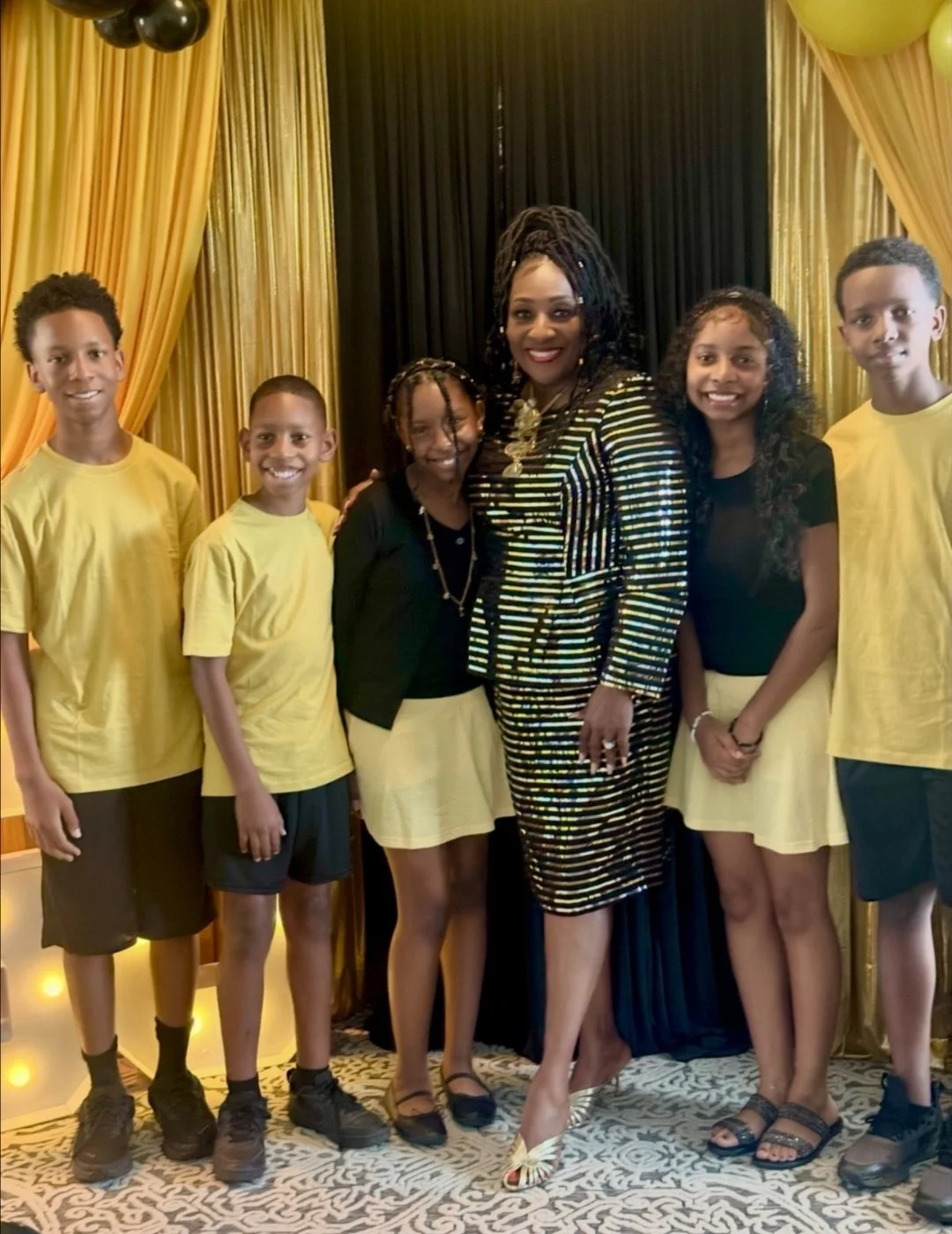
It is also a telling extension of how Williams survived her own diagnosis. Her children became a source of determination when fear threatened to take over. Now she helps make sure other children have someone who keeps turning up.
A LIFE OF SERVICE, AND A DEGREE TO MARK IT
It would be a mistake to reduce Williams to a single diagnosis or even a single nonprofit. Her biography describes two decades of military service, work with the Internal Revenue Service and U.S. Postal Service, seven years of intermittent substitute teaching in Henry County, salon ownership and investment in rental housing. She also pursued formal education, listing an associate degree, a bachelor’s degree, a master’s in business management and a Harvard University certificate in humanitarian response to conflict and resolution.
The graduation photograph she supplied shows another kind of recognition: a Doctor of Humane Letters award from The International School of Champions Theological Institute. Williams’s biography identifies the degree as honorary. It celebrates a record of humanitarian and community service; it should not be confused with an earned research doctorate or a medical qualification.
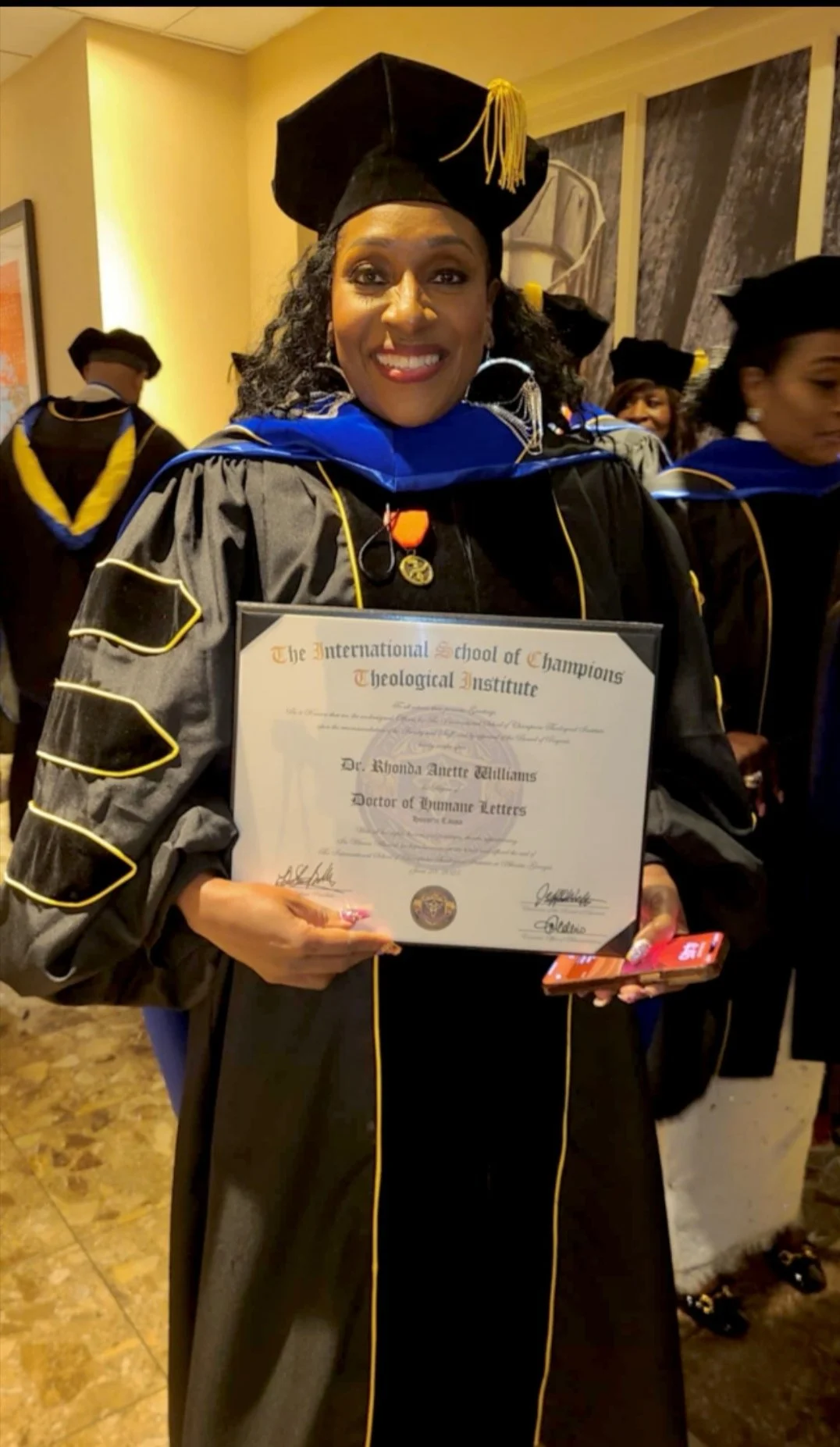
A milestone in service: Williams displays her honorary Doctor of Humane Letters diploma from The International School of Champions Theological Institute.
That recognition sits alongside distinctions she describes receiving for her breast cancer work: the Atlanta Braves’ Diamond of Hope Award, an Atlanta Falcons Dazzle & Dine honor, an award from the National Coalition of 100 Black Women of DeKalb County, community honors from Alpha Kappa Alpha Sorority chapters, and Women’s History Month recognition in Stockbridge. Her own organization also records appearances at The Dream Center and regional Relay for Life events. These are not presented as proof that suffering was worthwhile; they testify that the work built around it has been noticed.
THE WOMAN BEHIND THE MISSION
Williams also carries a personal story about the person who once carried her. Her mother, Audrey J. Moreland, moved to support her as she faced cancer and later served as vice president of Thriving and Surviving. Moreland was herself a two-time breast cancer survivor. She died in March 2021, according to a memorial on the nonprofit’s website. For Williams, the loss brought her advocacy, family and grief into one painfully familiar place.
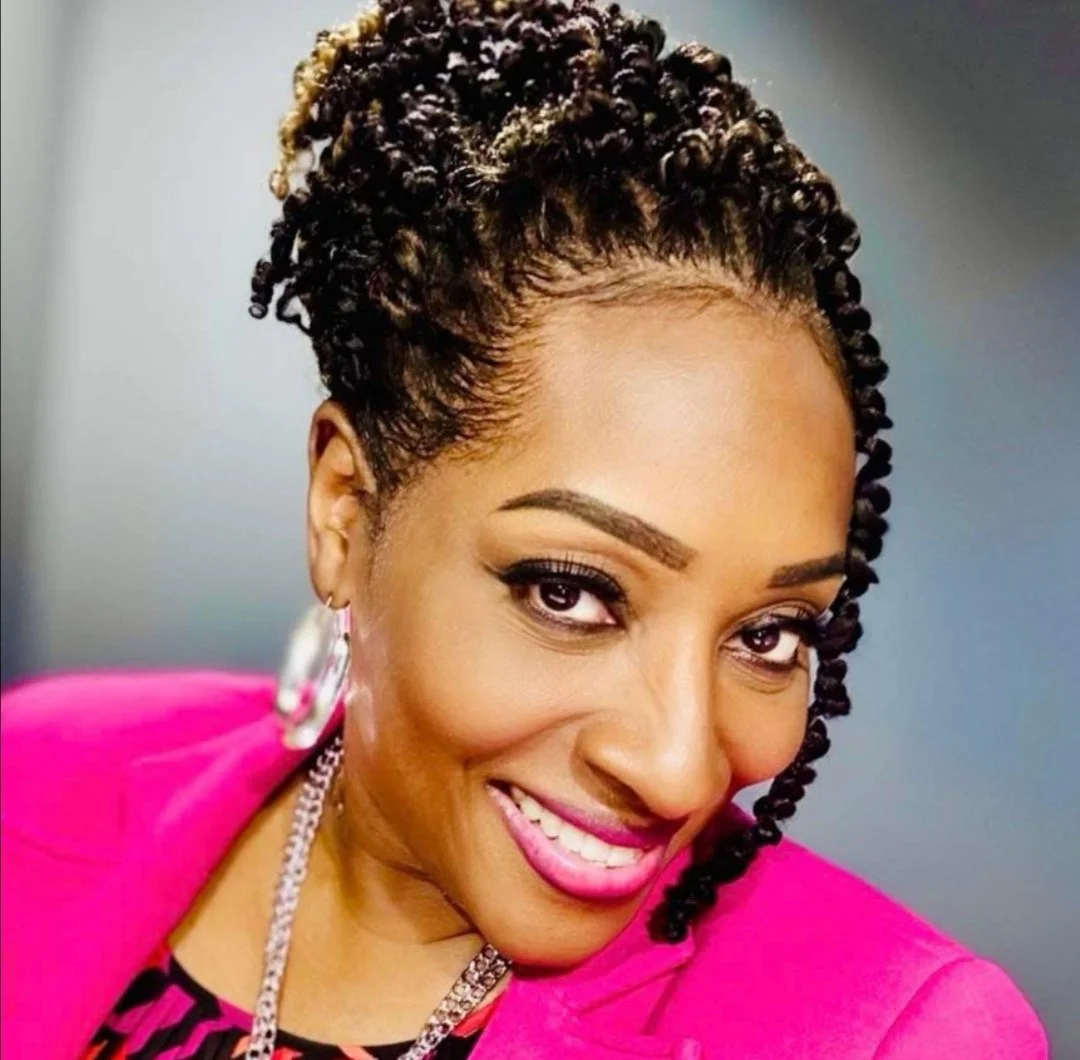
That history complicates the neat language of “beating” a disease. Williams is grateful to be here and describes herself as cancer-free, more than a decade after diagnosis. But a strong survivor story does not suggest that everyone can secure the same outcome by believing hard enough. Her account is personal testimony; people with breast cancer require individualized medical care, and no one should have to prove their courage through a particular result.
Her organization has worked with regional partners including Gertrude’s House, whose public coverage of a 2025 Pink HatTitude luncheon thanked Williams for speaking. That acknowledgement matters because it comes from outside her own organization. The work is not only something she says she wants to do. Other groups have seen her do it.
BEYOND THE RIBBON
October will end. Breast Cancer Awareness Month’s pink signs will come down, and calendars will turn toward holiday celebrations. But a person who needs a ride to an infusion chair in November still needs that ride. A family behind on rent in February still needs help. A child who lost a mother years ago may still need to hear, “I promised, and I’m here.”
That is the unglamorous, extraordinary center of Rhonda Williams’s story. Her military service, salons, classrooms, academic recognition and awards all belong to the portrait. So does her own encounter with Stage III cancer in 2011. None of those facts is the final sentence. The final sentence is what she continues to do with the time she has: turn survival into presence, and presence into a promise someone else can rely on.
The pink ribbon can begin a conversation. Williams’s answer is to keep showing up when the conversation ends.