RDC Honors Jimmy Smith: Where HBCU Legacy Became Jaguars History
Inducted into the Black College Football Hall of Fame in 2026, the Jackson State great built a career that became part of Jacksonville’s identity and a lasting chapter in Black excellence in American football.
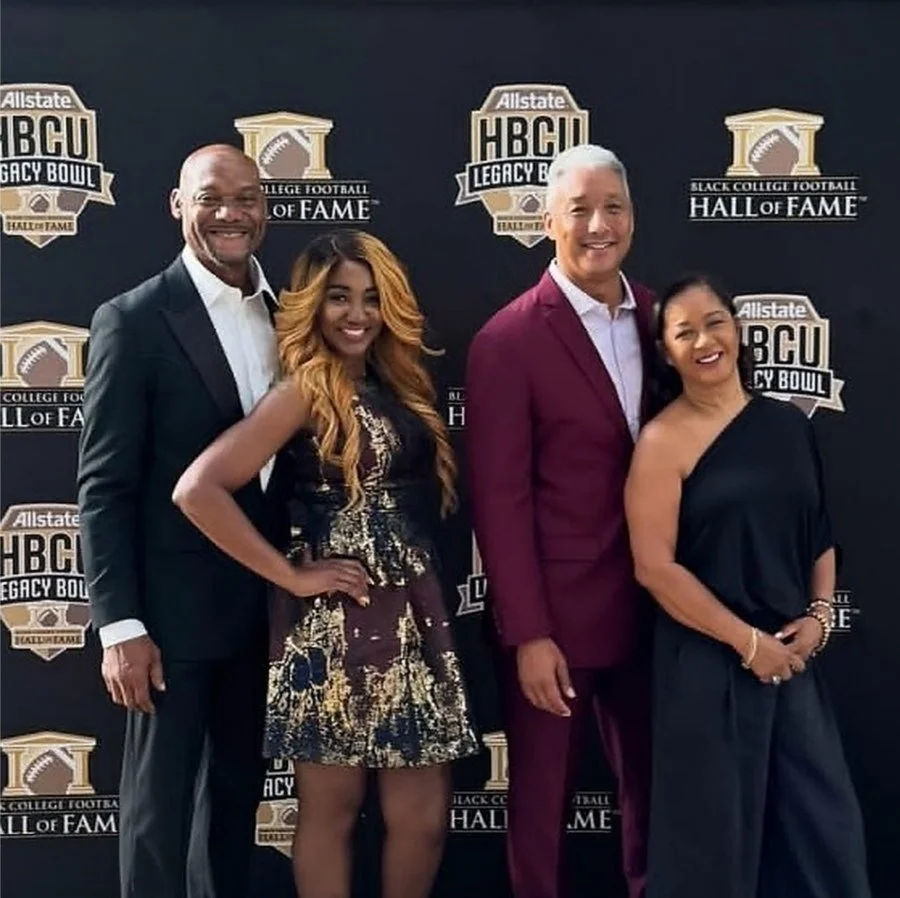
A reception image from the 2026 Black College Football Hall of Fame celebration in Atlanta, where the Class of 2026 was honored among family, peers, media and the wider HBCU football community.
A reception image from the 2026 Black College Football Hall of Fame celebration in Atlanta, where the Class of 2026 was honored among family, peers, media and the wider HBCU football community.
THE HONOR RETURNS TO THE ROOTS
Before Jacksonville, before Pro Bowls and before franchise records, there was Jackson State. Smith finished his college career with 110 receptions for 2,073 yards and 16 touchdowns, establishing himself as one of the program’s most dangerous receiving threats and earning the attention that made him a second-round NFL Draft pick in 1992.
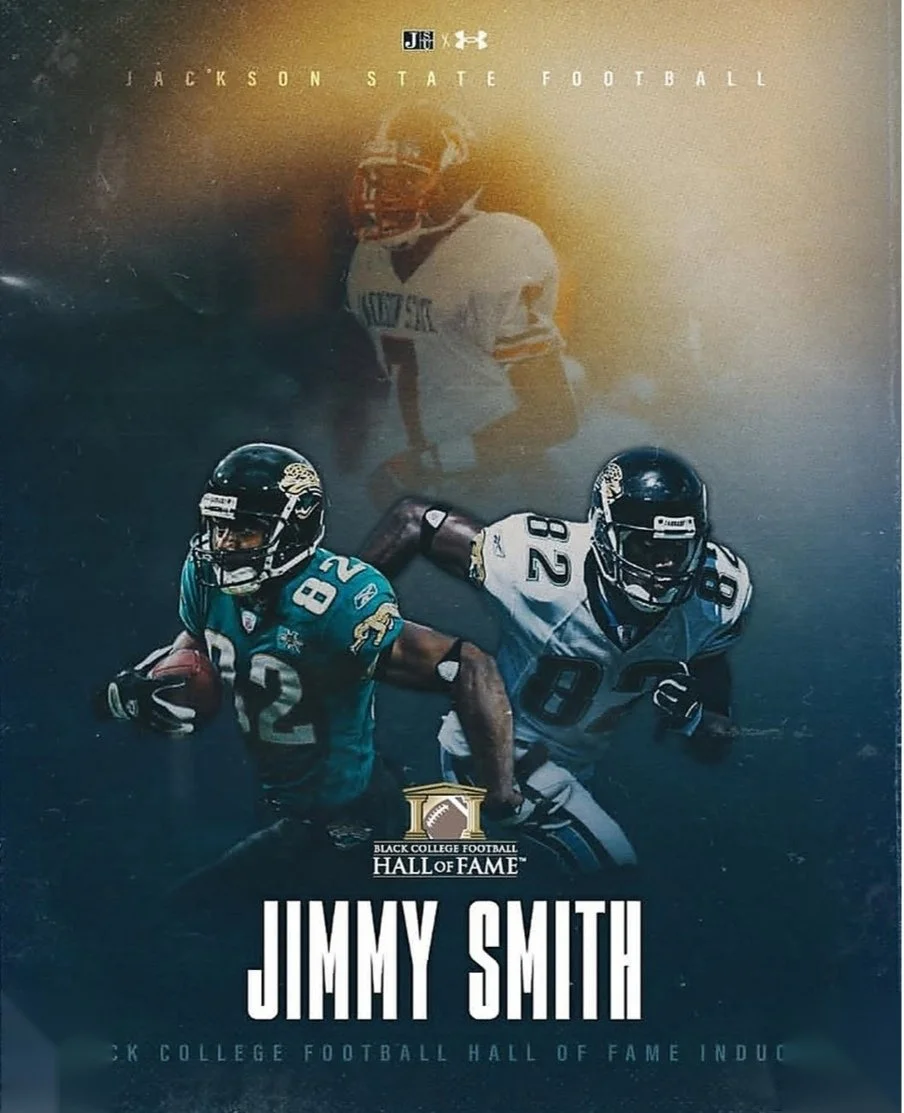
Jackson State football’s Hall of Fame tribute visually joins the HBCU chapter to the professional career that followed.
That college foundation matters because the 2026 induction is not only about what happened after he reached the NFL. The Black College Football Hall of Fame was created to preserve and elevate the players, coaches and contributors whose paths ran through Historically Black Colleges and Universities. Smith’s place in that history is now permanent.
FROM SETBACK TO CORNERSTONE
The route from Jackson State to NFL stardom was anything but automatic. Dallas selected Smith 36th overall in the 1992 draft, and he earned two Super Bowl rings with the Cowboys. Then his career nearly disappeared. A serious infection following an emergency appendectomy cost him the 1993 season, Dallas later released him, Philadelphia released him soon after, and he spent 1994 out of the league.
In 1995, the expansion Jacksonville Jaguars gave him another opening. Smith turned it into a career. By 1996 he had become a major part of the offense, and over the next decade he produced nine 1,000-yard receiving seasons. He made five consecutive Pro Bowls from 1997 through 2001, earned two Second-Team All-Pro selections and led the NFL with 116 receptions in 1999 while also posting a franchise-record 1,636 receiving yards.
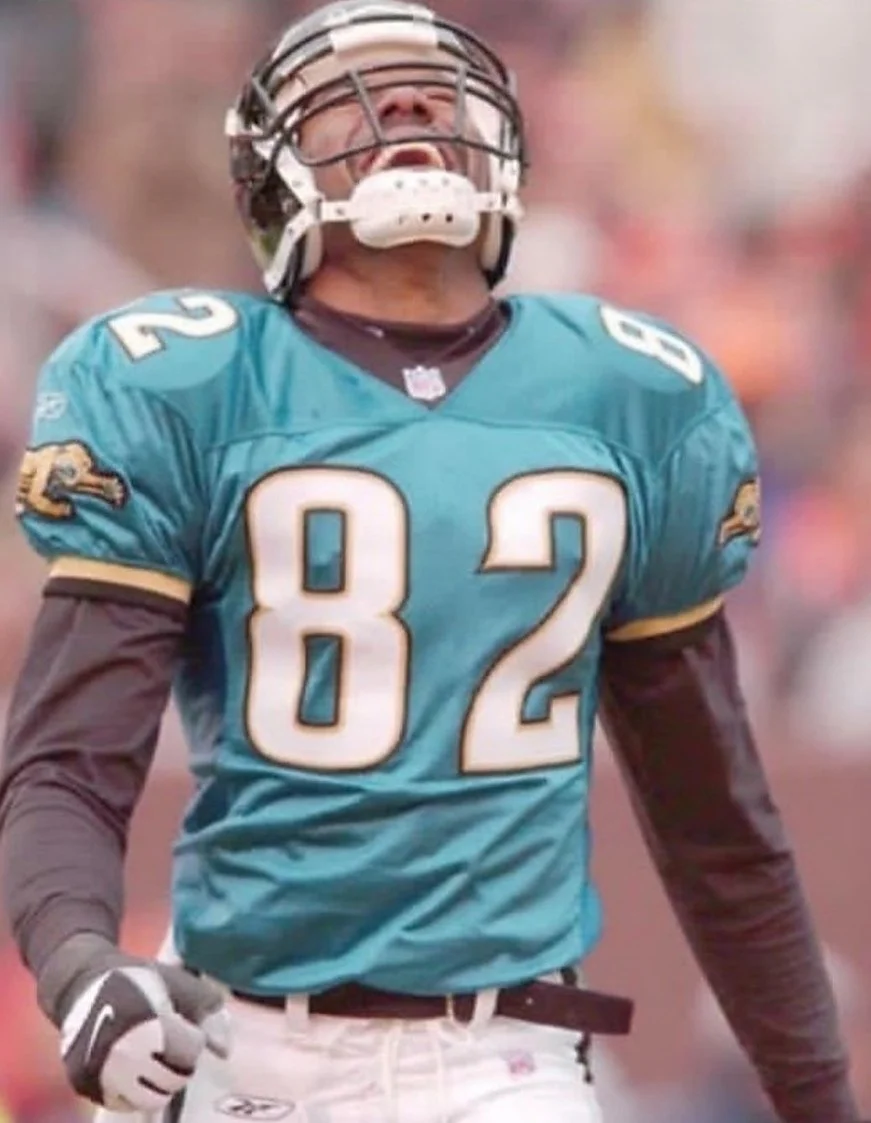
No. 82 in Jaguars teal during a career that became inseparable from the franchise’s first great era. The Jacksonville years combined route-running, strength and production with a consistency few receivers of the era matched.
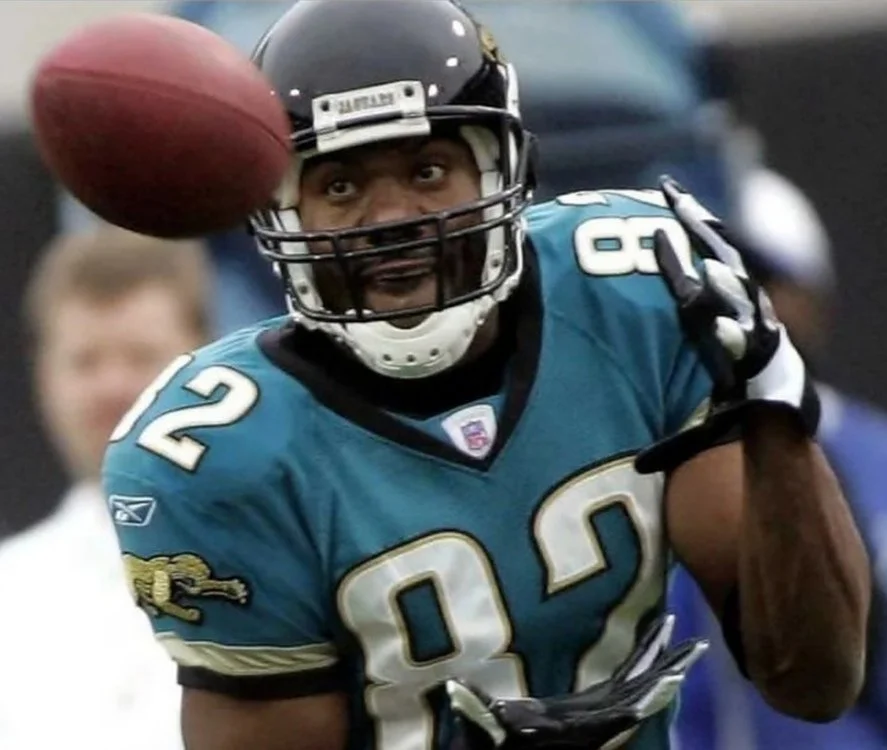
The Jacksonville years combined route-running, strength and production with a consistency few receivers of the era matched.
By the time he retired, Smith owned Jacksonville’s major receiving marks: 862 receptions, 12,287 receiving yards and 67 receiving touchdowns. He also helped power the Jaguars through four consecutive playoff appearances from 1996 through 1999, two AFC Central titles and two trips to the AFC Championship Game. In 2016, the franchise placed him in the Pride of the Jaguars, its ring of honor.
He did not simply become a star for Jacksonville. He became part of the language of what the Jaguars were.
THE GAME THAT STILL LIVES IN THE NUMBERS
Then there is the performance that still reads like a video-game line. On September 10, 2000, against the Baltimore Ravens, Smith caught 15 passes for 291 yards and three touchdowns. Jacksonville ultimately lost 39–36, but the individual performance remains the Jaguars’ single-game receiving-yardage record and one of the defining receiving displays in franchise history.
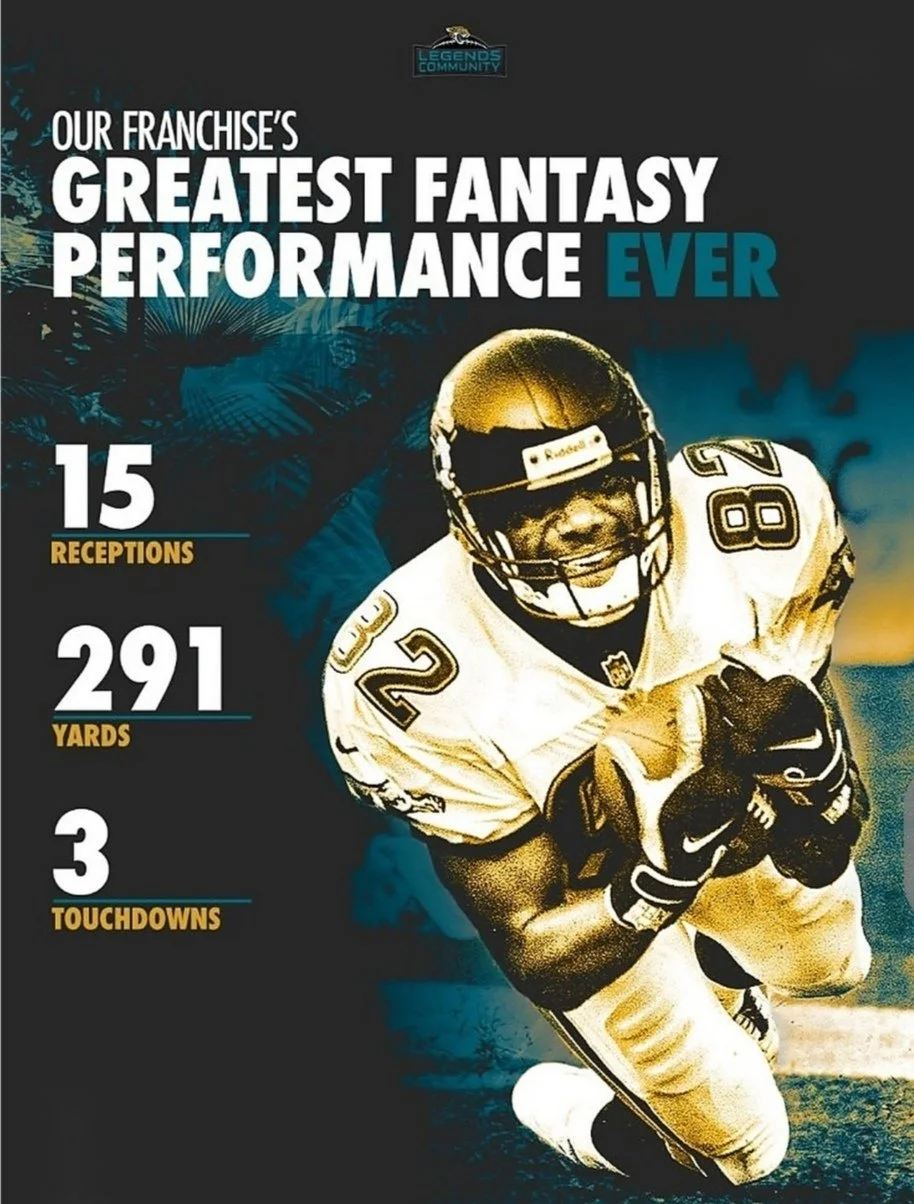
The Jaguars revisited the Baltimore masterpiece as the franchise’s greatest fantasy performance: 15 receptions, 291 yards and three touchdowns.
The numbers are spectacular on their own, but what makes the game especially useful in telling Smith’s story is the way it compresses his entire skill set into one afternoon: volume, explosive yardage, scoring and the confidence of an offense that kept returning to him. It was not a one-off miracle detached from the rest of his career. It was an extreme version of what Jacksonville had learned it could expect from him.
WHY THE 2026 INDUCTION MATTERS
Hall of Fame recognition is often treated as the final sentence of a career. In Smith’s case, this induction feels more like a correction of the frame. The NFL years made him nationally visible, but the Black College Football Hall of Fame places Jackson State and the HBCU tradition at the center rather than at the margins of the story.
That matters beyond one player. HBCUs have produced generations of athletes, coaches and football minds whose influence can be measured across the professional game. Smith’s path is one of the clearest examples of that pipeline: developed at Jackson State, drafted into the NFL, forced through setbacks that could have ended the story, then reborn with an expansion franchise that he helped turn into a contender.
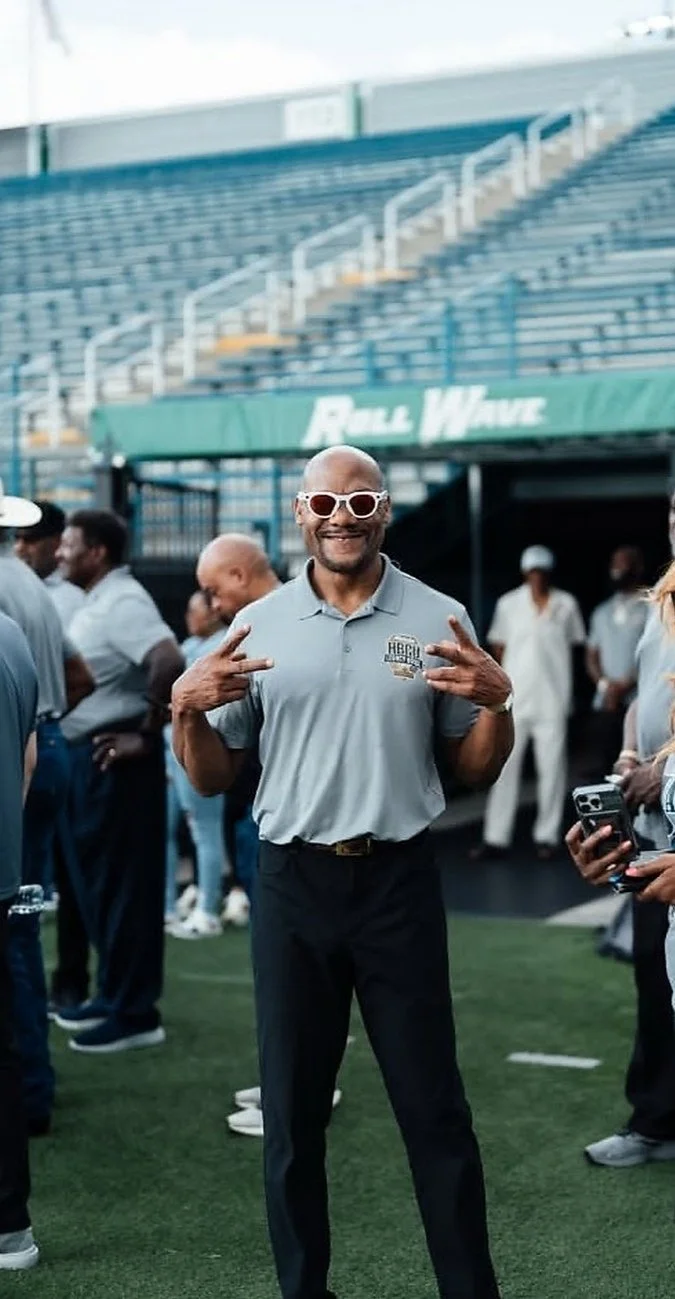
A field-level image from New Orleans, where the Class of 2026 was recognized during HBCU Legacy Bowl weekend before the June induction ceremony.
The Jaguars records show the production. The Pro Bowls show the respect of his era. The Pride of the Jaguars shows what he means to the franchise. The Black College Football Hall of Fame now connects all of that back to the institution and football culture that helped launch him.
RDC LEGACY ACKNOWLEDGMENT
RDC Magazine acknowledges Jimmy Smith as more than a collection of receiving totals. His career is a record of resilience, HBCU excellence and Black achievement on one of America’s biggest sporting stages. He arrived in Jacksonville when the franchise itself was new, then helped give that franchise memory, standards and identity.
There is also something fitting about the timing of this recognition. Decades after the catches, the playoff runs and the teal No. 82 jerseys, the conversation has widened from what Smith accomplished to where that excellence came from — and what it represents.
The 2026 Black College Football Hall of Fame induction does not create Jimmy Smith’s legacy. It formally places that legacy inside the history that made it possible. For RDC Magazine, that is the acknowledgment: Jackson State to Jacksonville, adversity to excellence, and a career that continues to stand as part of the larger story of Black excellence in American football.