Still in Play: Barbie Phillips Refused to Let Cancer Take the Court
She played tennis through treatment, kept dancing through chemotherapy, rang the bell, then kayaked and biked more than 120 miles. After a second breast-cancer diagnosis in 2022, Barbie Phillips became a two-time survivor with a message that is less about perfect bravery than about movement, self-advocacy, community and catching what can be caught early.
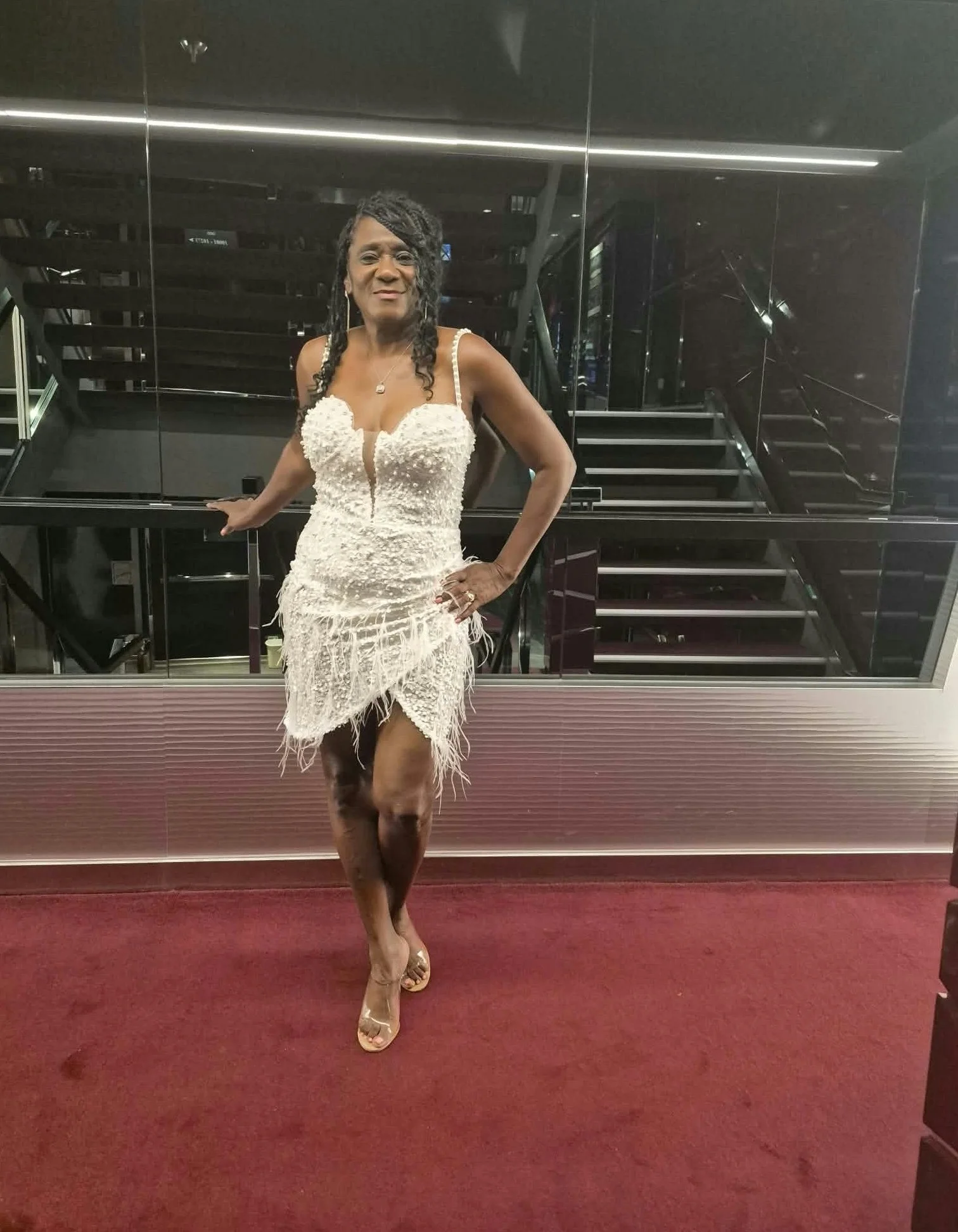
A white dress, a red carpet, and no interest in being reduced to a medical chart. Barbie Phillips still shows up as the whole woman, not the diagnosis.
Barbie Phillips did not become active because cancer scared her into movement. She was already moving. Tennis. Line dancing. Church ministry. Family gatherings. Film sets. Community events. If there was a room to help organize, a court to play on or a reason to bring people together, Barbie was usually somewhere in it.
That matters because cancer stories are often edited backward. We meet the survivor first and then make every detail of the life before diagnosis look like foreshadowing. Barbie's story works better in the opposite direction. She had already built a life around faith, family, motion and service. When breast cancer entered that life in 2019, it did not create her fighting spirit. It tested one that was already there.
A LIFE BUILT IN MOTION
A native New Orleanian raised in the Pentecostal faith and the youngest of five siblings, Barbie later made Marietta, Georgia home. Her family life has deep roots: she is the daughter of her 94-year-old mother, Easter Blackman; wife of 43 years to Elijah Phillips III; mother of four; mother-in-law; and grandmother of eight. Family is not a supporting detail in her story. It is the architecture.
So is sport. Barbie has competed with teams at Lost Mountain Park, Laurel Park and FairOaks Tennis Centers, collecting division and city championships along the way. More recently, she and partner Tina Welch won a Cobb County doubles pickleball title under a team name almost too perfect for print: The Slice Girls.
Her appetite for movement also spills into creativity. Barbie has worked as a background actor on productions including Black Panther, Coming 2 America, RESPECT, The Underground Railroad, Greenleaf and Lovecraft Country. A public LinkedIn profile matching her name and Marietta location also lists an affiliation with Apples 4 Athletes, another small clue to how consistently sport and community run through her public life.
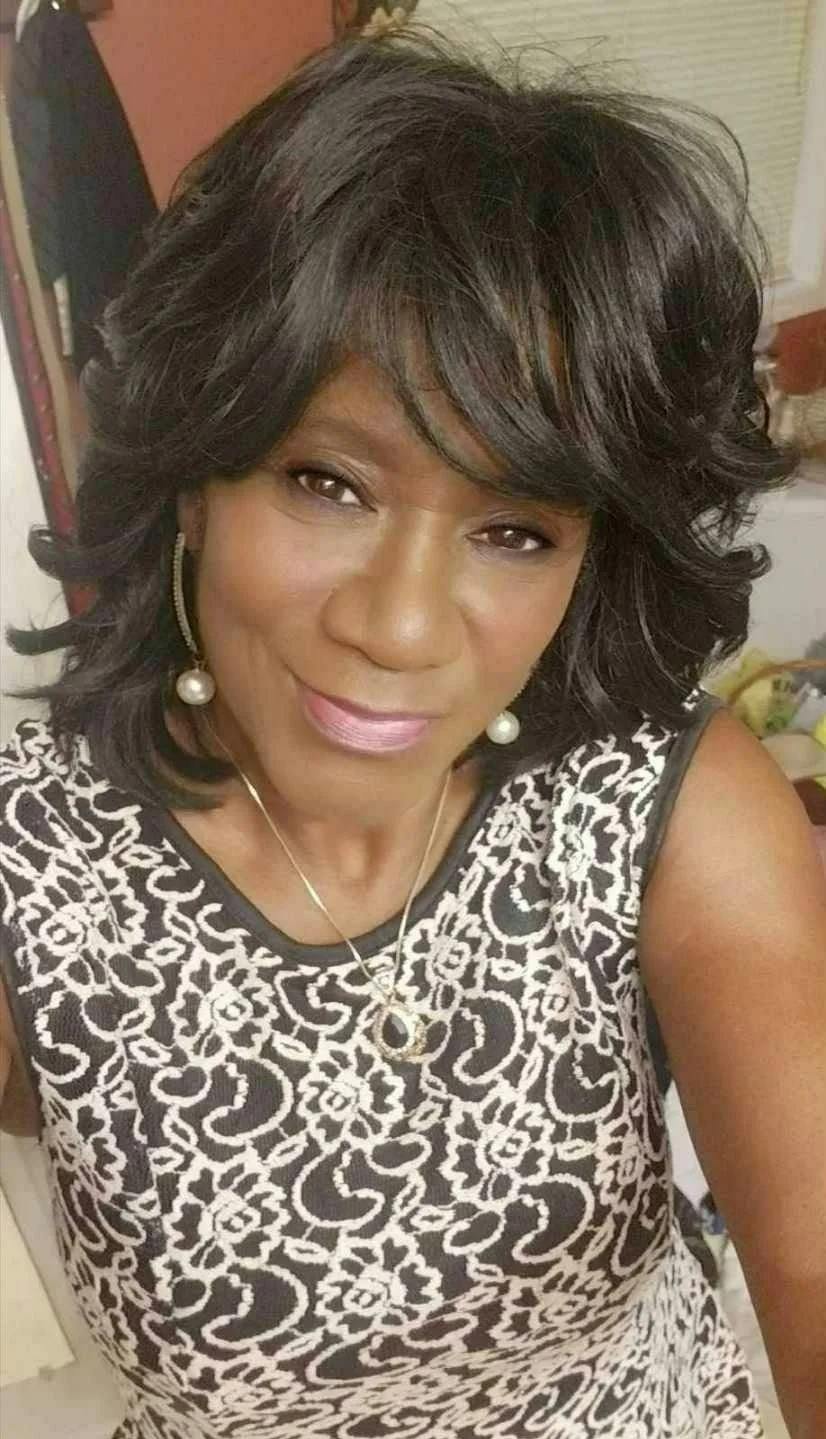
Long before 'survivor' became part of her story, there was already Barbie: faith-led, family-first, camera-ready and rarely sitting still.
CANCER WAS ALREADY IN THE FAMILY
By the time Barbie heard her own diagnosis in 2019, breast cancer was not an abstract threat. Two of her sisters had already faced the disease in their 30s. Her sister Darlene continued working and pursuing her education through treatment and still graduated summa cum laude in the top one percent of her class.
Her sister Bonnie's story left an even deeper imprint. Bonnie lived with stage 4 breast cancer for roughly 20 years after initially being given only months to live. Barbie remembers the split screen of that experience: painful nights seen by the people closest to her, and a fiercely composed public face by day. She also remembers Bonnie questioning doctors, debating options and insisting on a voice in decisions about her own body.
That is an important inheritance. Barbie did not learn that strength means smiling through everything. She learned that strength can also sound like a question, a second question, and then one more until you understand what is happening to you.
2019: KEEP THE MATCH ON THE SCHEDULE
When Barbie was diagnosed with breast cancer in 2019, she brought that same instinct into the treatment room. One detail captures her personality better than a dozen motivational quotes: she argued for her chemotherapy port to be placed on her left side because she fully intended to keep playing tennis.
She did. Through chemotherapy and radiation, Barbie anchored herself in prayer, line dancing and the tennis court. Her teammates and Adrian's Feet-N-Motion Soul Line Dancing group became part of the support system that made difficult days feel less solitary. Movement was not a substitute for medicine. It was one of the ways she remained recognizably herself while medicine did its work
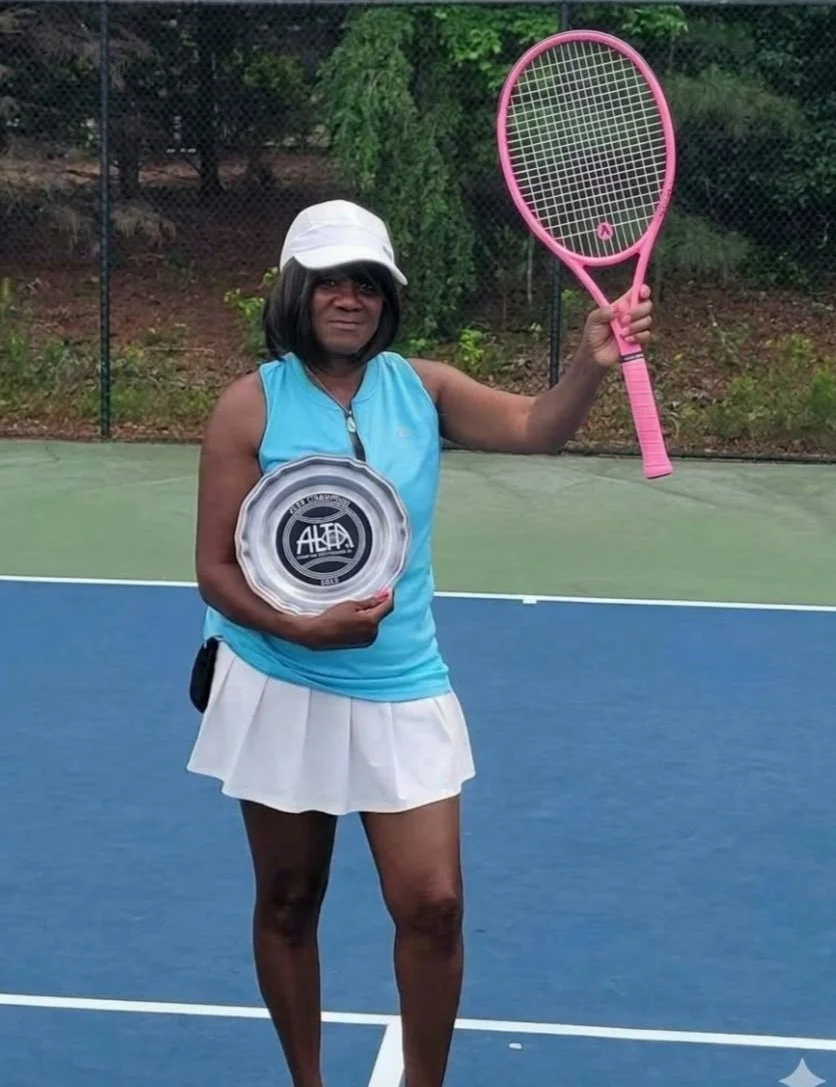
She argued for a left-side port because the right arm still had matches to play. The racquet was not a prop; it was part of the plan.
THE BELL IS NOT THE END OF THE STORY
Eventually treatment reached the moment so many cancer patients know by sound before they know it by language: the bell. Barbie completed treatment, rang it, and received a clean bill of health after that first diagnosis.
The ritual is brief. The road to it is not. That is why the photograph of Barbie pulling the rope matters. It is not a fairy-tale ending. It is a punctuation mark - the end of one phase, with the body, memory and future still moving forward.
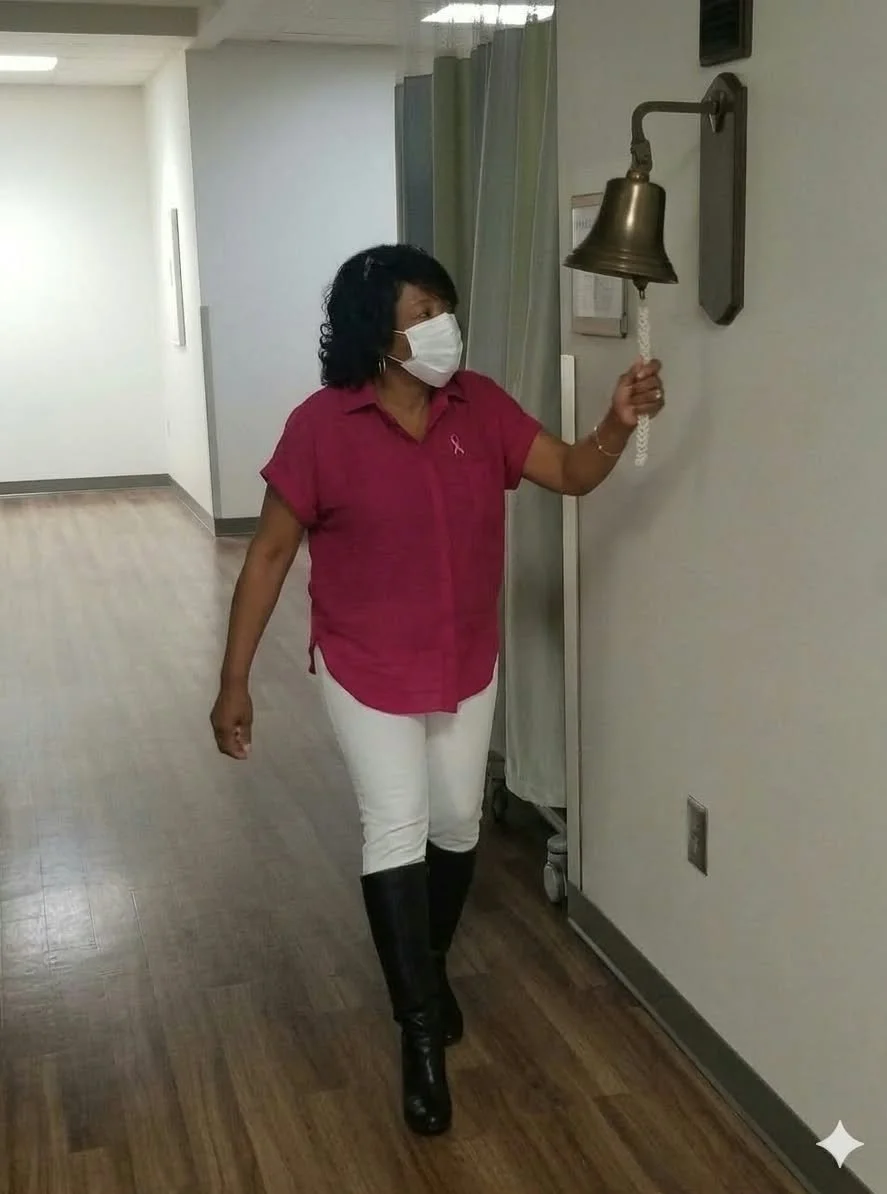
Treatment ending has a sound: one pull, one ring, and months of appointments suddenly have a soundtrack.
FROM SURVIVOR TO ATHLETE
Barbie's post-treatment reward was not a quiet weekend. She accepted a survivor grant from the Project Athena Foundation and joined an endurance adventure that took her more than 120 miles by kayak and bicycle from Key Largo to Key West.
That choice fits both Barbie and the organization. Project Athena describes its mission as helping people who have lived through medical or traumatic setbacks make the transition from survivor to athlete. Its grants can include training, coaching, adventure costs, travel and gear. The point is not to recreate the body or life that existed before a diagnosis. The point is to discover what the current version can do.
For Barbie, the answer apparently involved a paddle, a bicycle and a very long stretch of Florida.
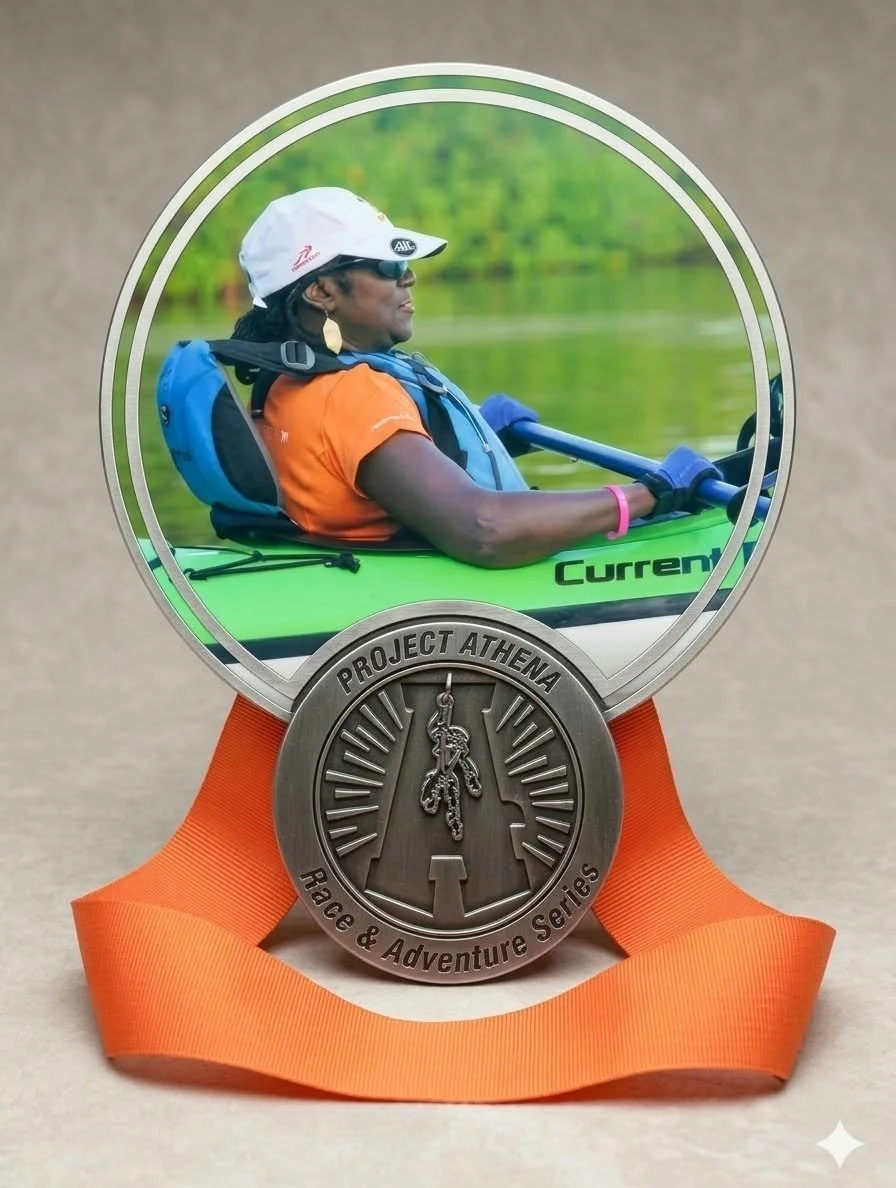
Recovery had mileage: more than 120 of it, by kayak and bike. Survivor was the starting point; athlete was the next noun.
2022: THE SECOND DIAGNOSIS
Then cancer came back into the story from another direction. In 2022, Barbie received a second diagnosis in her other breast. The emotional weight of a second diagnosis can make the word 'again' feel enormous. But this time another part of her story mattered just as much as resilience: vigilance.
Barbie had stayed consistent with follow-up care, and the second cancer was detected at a very early point. Her treatment this time required radiation rather than another full course of chemotherapy. The medical details of any cancer diagnosis are individual, but the lesson Barbie chooses to emphasize is broadly useful: do not treat screening and follow-up as optional simply because you feel well.
Today she describes herself as a two-time survivor and speaks plainly about what she wants people to remember: 'Early detection truly saves lives.
SURVIVOR IS NOT HER ONLY TITLE
Cancer can swallow a story if you let it. Barbie's refuses. She is still a wife, mother, grandmother, athlete, line dancer, church member, background actor, host, helper and the person who stays late after someone else's event to clean up. At Greater Community COGIC, she serves with the Tribe of Judah flag ministry. In her social life, she is the one who organizes outdoor gatherings just to keep people active.
This is where the usual language of 'returning to normal' starts to feel too small. Barbie did not simply return to a pre-cancer version of herself. She kept the parts that mattered, learned where to push harder, and added new evidence that her body could still surprise her.
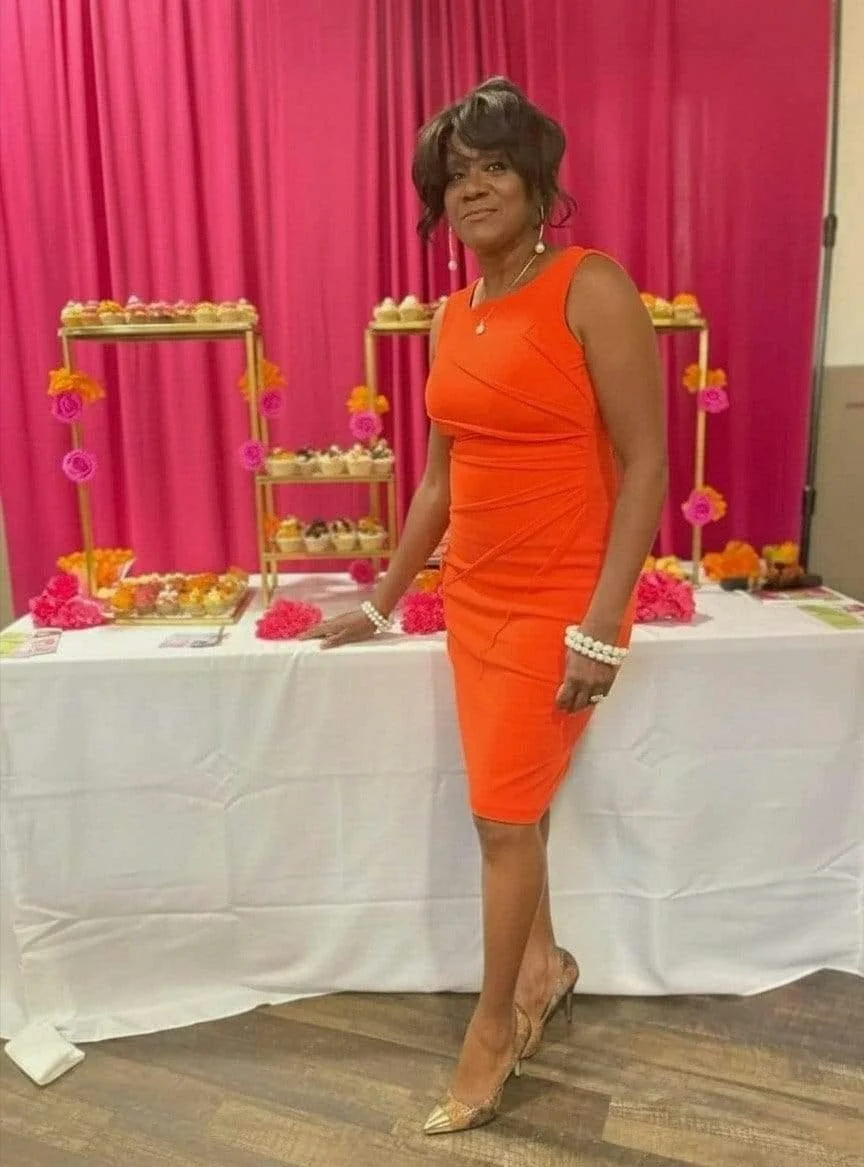
Survival did not turn the volume down. The orange dress is evidence.
WHAT HER STORY ACTUALLY SAYS
It would be easy to flatten Barbie's experience into a slogan about positivity. That would miss the useful part. Faith did not replace treatment. Tennis did not replace chemotherapy. Community did not replace radiation. A fierce attitude did not make screening unnecessary. Her story is stronger because all of those things sat beside medical care rather than pretending to be medical care.
What Barbie carried into treatment was agency: the willingness to ask questions, to protect the routines that made her feel alive, to accept help, to keep showing up for checkups, and to refuse the idea that illness had earned the right to narrate every other part of her life.
That is also why her sisters remain present in the story. Darlene showed her what determination can look like under pressure. Bonnie showed her that a patient can be both vulnerable and formidable, and that advocating for yourself is not disrespectful. Barbie's own experience turned those lessons into practice.
EARLY DETECTION IS THE POINT
For Breast Cancer Awareness Month, Barbie's message is not complicated: stay on top of screenings, know your body, and be willing to speak up when something feels wrong. Her second diagnosis gives that advice weight. Early detection did not make the moment easy; it changed the treatment path available to her.
The rest of her advice is more personal: keep the people who make you laugh, keep the things that make you move, and do not surrender the parts of your identity that illness does not own. Dance if dancing is yours. Play if playing is yours. Pray if prayer is yours. Paddle 120 miles if, for some reason, that sounds like a reward.
Barbie Phillips' story is not about pretending cancer never happened. It is about refusing to hand cancer the whole calendar.